

 +91 83682 81897
In the modern world, hygiene has become more important than ever. Whether in hospitals, schools, industries, or public spaces, maintaining proper hand hygiene is essential to prevent the spread of infections and ensure community health. Among the many tools used to promote hygiene, the hand wash station—also called a hand wash stand—plays a crucial role. It is designed to provide a dedicated space for effective handwashing, making it indispensable in healthcare facilities, food industries, and even homes.
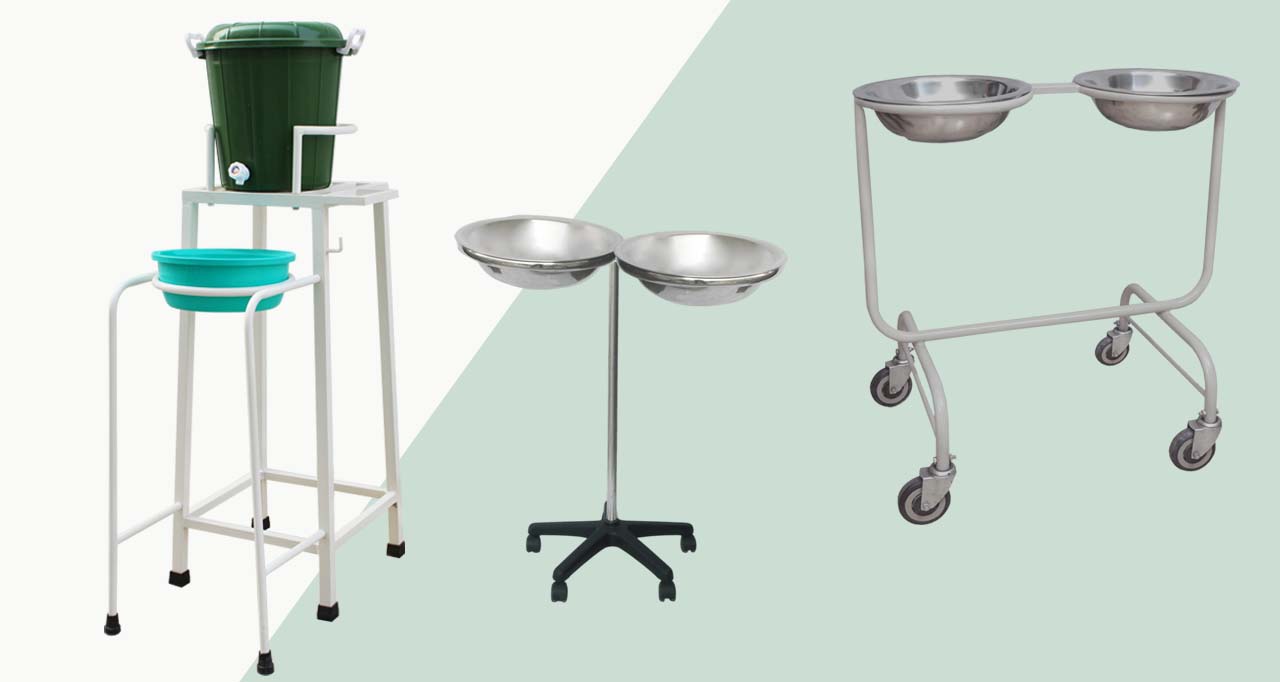
What is a Hand Wash Station?
A hand wash station or hand wash stand is a setup that provides facilities for proper handwashing. It usually consists of a sink, water supply, soap dispenser, and sometimes paper towel holders or hand dryers. In healthcare and industrial settings, these stations may also include touch-free taps, elbow-operated soap dispensers, and foot-operated mechanisms to minimize cross-contamination.
The design varies depending on the application: from portable hand wash stations used in outdoor events to advanced stainless steel models in hospitals.
Importance of Hand Wash Stations
Handwashing is considered the first line of defense against infections. According to the World Health Organization (WHO), proper hand hygiene can reduce the risk of healthcare-associated infections (HAIs) by up to 50%. Hand wash stations contribute to:
- Infection Control – By ensuring hands are washed frequently and correctly, they help reduce the spread of bacteria and viruses.
- Patient Safety – In hospitals, they protect patients with weak immune systems from catching infections.
- Workplace Hygiene – In industries like food processing, pharmaceutical manufacturing, and laboratories, they help maintain sanitary conditions.
- Public Safety – In schools, offices, and public spaces, they encourage healthy practices among communities.
Types of Hand Wash Stations
Hand wash stations come in different designs depending on the setting and user needs.
Wall-Mounted Hand Wash Stations
- Installed directly on walls.
- Commonly used in hospitals, kitchens, and laboratories.
- Often made from stainless steel for easy cleaning and durability.
Portable Hand Wash Stations
- Mobile units that can be placed anywhere.
- Ideal for outdoor events, schools, and construction sites.
- Often come with water storage tanks and soap dispensers.
Foot-Operated Hand Wash Stations
- Designed for hands-free operation using pedals.
- Prevents cross-contamination as hands do not touch taps or dispensers.
- Widely used in hospitals and food industries.
Sensor-Based Hand Wash Stations
- Equipped with motion sensors for automatic water flow and soap dispensing.
- Highly hygienic and convenient.
- Common in high-end healthcare facilities, airports, and corporate offices.
Multi-User Hand Wash Stations
- Large units with multiple sinks or faucets.
- Suitable for schools, factories, and hospitals where many people need access simultaneously.
Key Features of a Hand Wash Station
- Durability – Usually made from stainless steel or high-quality plastic.
- Hands-Free Operation – Pedal, elbow, or sensor-based mechanisms.
- Integrated Soap Dispensers – Built-in or mounted dispensers for liquid soap.
- Adequate Drainage – Prevents waterlogging and maintains cleanliness.
- Easy Maintenance – Designed for quick cleaning and disinfection.
- Ergonomic Design – Comfortable height and placement for users.
- Mobility (Portable Models) – Lightweight and easy to move.
Benefits of Hand Wash Stations
Enhanced Hygiene
- Provides a dedicated space for proper handwashing, reducing the spread of germs.
Convenience
- Whether wall-mounted or portable, they make handwashing accessible in all environments.
Safety
- Hands-free operation prevents contamination from shared taps and handles.
Versatility
- Used in healthcare, industrial, educational, and public settings.
Compliance with Standards
- Meets hygiene regulations in industries like food processing and healthcare.
Encouragement of Healthy Habits
- Visible hand wash stations encourage individuals to wash their hands more often.
Applications of Hand Wash Stations
Hospitals and Healthcare Facilities
- Critical in infection control.
- Installed in wards, ICUs, operating rooms, and near patient beds.
Schools and Educational Institutions
- Encourage children to develop handwashing habits.
- Often installed in playgrounds and classrooms.
Food Industry and Restaurants
- Ensure compliance with food safety standards.
- Used by staff before handling food.
Public Places
- Parks, bus stations, and markets use portable hand wash stations to improve public hygiene.
Workplaces and Factories
- Helps maintain occupational health standards.
- Particularly important in pharmaceutical and chemical industries.
Outdoor Events
- Temporary, portable hand wash stations are popular at fairs, weddings, and concerts.
Role of Hand Wash Stations in Healthcare
In hospitals, the hand wash station is not just a convenience—it is a necessity. Doctors, nurses, and staff are required to wash hands before and after patient contact, surgical procedures, and handling medical equipment. Specialized stations with elbow-operated taps or sensors are installed to avoid direct contact, thereby reducing infection risks.
Additionally, these stations are positioned strategically at hospital entrances, near patient beds, and in intensive care units to ensure quick access.
Materials Used in Hand Wash Stations
- Stainless Steel: Preferred for hospitals and industries due to durability and hygiene.
- Plastic/Polymer: Lightweight, cost-effective, and used in portable models.
- Ceramic/Porcelain: Common in schools, homes, and offices for aesthetic appeal.
Maintenance of Hand Wash Stations
To ensure effectiveness, hand wash stations must be:
- Cleaned Daily – Using disinfectants to kill bacteria and viruses.
- Checked Regularly – For leaks, soap dispenser refills, and drainage issues.
- Sterilized in Healthcare Settings – Especially in high-risk areas like ICUs.
- Inspected for Damage – To ensure durability and safe usage.
Future Trends in Hand Wash Stations
- Smart Hand Wash Stations – Equipped with sensors to monitor frequency and technique of handwashing.
- Eco-Friendly Models – Designed to save water and energy.
- Compact Portable Designs – For wider use in rural and remote areas.
- Integration with Sanitizer Dispensers – Offering both washing and sanitizing in one unit.
Conclusion
A hand wash station or hand wash stand is an essential hygiene solution that plays a vital role in protecting health and safety across different sectors. From hospitals to schools, and from public spaces to industries, these stations ensure easy access to proper handwashing facilities. With advanced designs such as sensor-based and portable models, they continue to evolve to meet modern demands. By promoting hygiene and reducing infection risks, hand wash stations are not just a piece of equipment but a key pillar in global healthcare and community well-being.