

 +91 83682 81897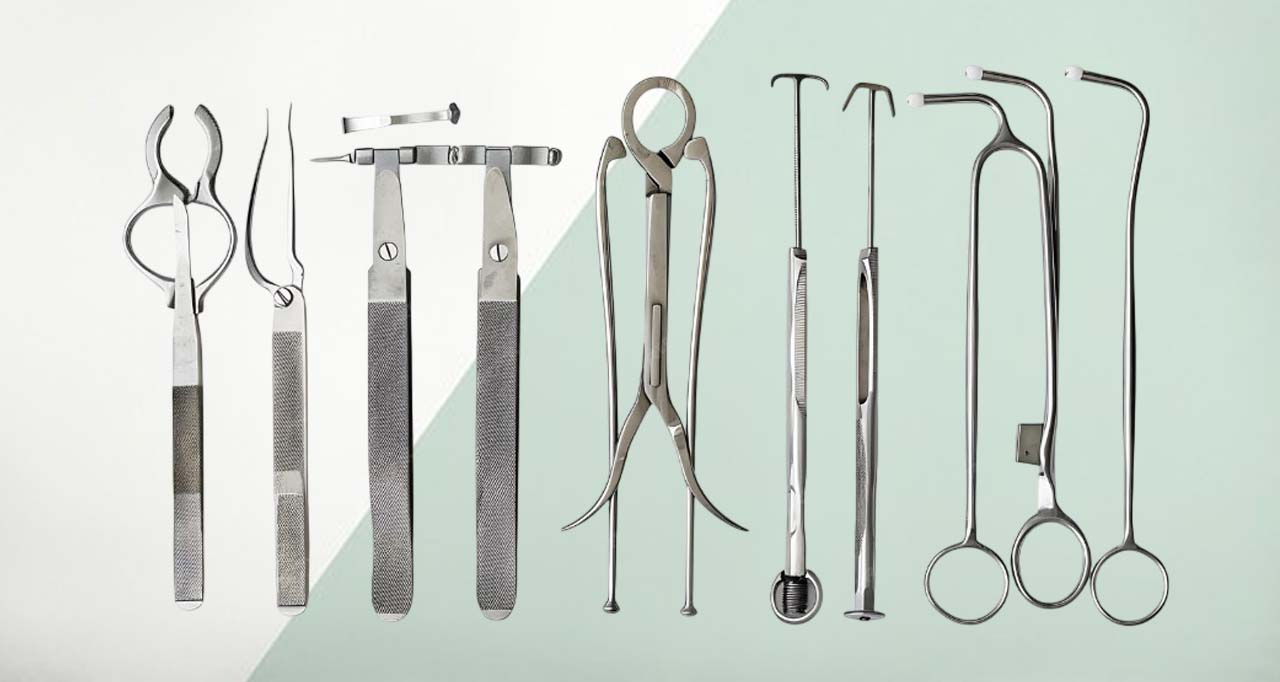
Gynecological instruments play a vital role in modern women’s healthcare by enabling accurate diagnosis, effective treatment, and safe surgical procedures related to the female reproductive system. From routine pelvic examinations to complex surgical interventions, these medical devices are indispensable tools for gynecologists, obstetricians, and healthcare professionals. As part of the broader ecosystem of medical devices, diagnostic products, and laboratory products, gynecological instruments contribute significantly to improving patient outcomes and maintaining clinical efficiency.
Understanding Gynecological Instruments
Gynecological instruments are specialized medical devices designed for examination, diagnosis, and treatment of conditions affecting the female reproductive organs, including the uterus, cervix, vagina, ovaries, and fallopian tubes. These instruments are widely used in hospitals, clinics, maternity centers, and diagnostic laboratories.
They are an integral part of diagnostic products used during routine check-ups, prenatal care, infertility assessments, and gynecological surgeries. Many of these instruments also work alongside laboratory products, such as specimen containers and testing kits, to support accurate pathological and microbiological analysis.
Classification of Gynecological Instruments
Gynecological instruments can be broadly classified based on their function into examination instruments, surgical instruments, diagnostic instruments, and obstetric instruments.
- Gynecological Examination Instruments
These instruments are commonly used during routine gynecological check-ups and screenings.
Vaginal Speculum
The vaginal speculum is one of the most commonly used gynecological instruments. It allows visualization of the vaginal canal and cervix during examinations, Pap smears, and diagnostic procedures. Available in various types such as Cusco’s, Sims’, and Graves’ speculum, these instruments are essential diagnostic products in women’s healthcare.
Uterine Sound
A uterine sound is used to measure the depth and direction of the uterine cavity. It helps assess uterine anatomy prior to procedures such as intrauterine device (IUD) insertion.
Vaginal Retractors
Retractors help hold back vaginal walls to provide better visibility and access during examination or surgery.
- Diagnostic Gynecological Instruments
Diagnostic instruments are used to identify abnormalities and collect samples for laboratory analysis.
Cervical Biopsy Forceps
These forceps are used to collect tissue samples from the cervix for histopathological examination. They work in conjunction with laboratory products used for tissue processing and diagnosis.
Endometrial Curette
An endometrial curette is used to scrape the uterine lining to obtain samples for diagnosing conditions such as endometrial hyperplasia or cancer.
Colposcope (Accessory Device)
Although not a handheld instrument, the colposcope complements gynecological instruments by providing magnified views of cervical tissues, enhancing diagnostic accuracy.
- Surgical Gynecological Instruments
These instruments are used in operative procedures ranging from minor interventions to major surgeries.
Dilators
Cervical dilators are used to gradually open the cervix before procedures such as dilation and curettage (D&C) or hysteroscopy.
Curettes
Gynecological curettes are used to remove tissue from the uterus. They are available in sharp and blunt varieties depending on the procedure.
Gynecological Scissors
Specialized scissors are designed for cutting tissue, sutures, or membranes during gynecological surgeries. Their precision reduces tissue trauma.
Needle Holders and Forceps
These instruments are essential for suturing and tissue handling during surgical procedures, forming a core part of surgical medical devices.
- Obstetric and Gynecological Instruments
Some instruments are shared between obstetrics and gynecology, especially during childbirth and postpartum care.
Episiotomy Scissors
Used to make controlled incisions during childbirth to facilitate delivery.
Placenta Forceps
These are used to remove retained placental tissue after delivery.
Materials Used in Gynecological Instruments
Gynecological instruments are manufactured using high-quality materials to ensure safety, durability, and sterilization compatibility.
Stainless Steel
Most reusable gynecological instruments are made from medical-grade stainless steel due to its corrosion resistance, strength, and ease of sterilization.
Plastic and Disposable Materials
Disposable speculums and sampling instruments are often made from medical-grade plastic. These single-use diagnostic products reduce the risk of cross-contamination and are widely used in outpatient clinics.
Silicone and Polymer Coatings
Some instruments feature coated handles or tips for improved grip and patient comfort.
Role of Gynecological Instruments in Diagnostics
Gynecological instruments are closely linked with diagnostic products and laboratory products. Samples collected using biopsy forceps, curettes, or swabs are sent to laboratories for analysis. Accurate specimen collection is critical for reliable diagnosis of infections, hormonal disorders, infertility issues, and gynecological cancers.
These instruments support preventive healthcare by enabling early detection through Pap smears, HPV testing, and endometrial sampling, significantly reducing morbidity and mortality among women.
Importance in Surgical Procedures
In surgical gynecology, precision instruments are essential for minimizing tissue damage, reducing operative time, and improving recovery outcomes. From minimally invasive procedures to open surgeries, gynecological instruments enable surgeons to perform complex tasks with accuracy.
Their integration with advanced medical devices such as electrosurgical units and endoscopic systems has further enhanced surgical efficiency and patient safety.
Advantages of High-Quality Gynecological Instruments
Enhanced Diagnostic Accuracy
Well-designed instruments allow proper visualization and precise tissue sampling, leading to reliable diagnostic results.
Improved Patient Safety
Ergonomically designed and sterilizable instruments reduce the risk of infection and procedural complications.
Durability and Cost-Effectiveness
Reusable stainless steel instruments offer long-term value for hospitals and clinics, while disposable options ensure hygiene and convenience.
Compatibility with Laboratory and Diagnostic Systems
Modern gynecological instruments are designed to work seamlessly with laboratory products and diagnostic workflows.
Infection Control and Sterilization
Infection control is critical in gynecological practice. Reusable instruments must undergo thorough cleaning, disinfection, and sterilization using autoclaves or other approved methods. Disposable instruments provide an alternative in settings where sterilization infrastructure is limited.
Strict adherence to sterilization protocols ensures patient safety and compliance with medical standards.
Gynecological Instruments in Modern Healthcare
With advancements in healthcare technology, gynecological instruments have evolved to meet the growing demand for minimally invasive and patient-centric care. Innovations include lightweight designs, disposable options, and integration with digital diagnostic systems.
These instruments are now considered essential medical devices within hospitals, diagnostic centers, and specialty clinics, supporting comprehensive women’s healthcare services.
Market Demand and Global Relevance
The increasing focus on women’s health, preventive screenings, and early diagnosis has led to growing demand for gynecological instruments worldwide. Healthcare facilities rely on high-quality diagnostic products and laboratory products to deliver accurate and efficient care.
Emerging economies, in particular, are witnessing rapid adoption of advanced gynecological instruments due to improved healthcare infrastructure and awareness.
Conclusion
Gynecological instruments are indispensable tools in women’s healthcare, forming a critical link between clinical examination, diagnosis, laboratory analysis, and surgical treatment. As specialized medical devices, they support accurate diagnosis, effective intervention, and improved patient outcomes.
Their integration with diagnostic products and laboratory products underscores their importance in modern healthcare systems. With continuous innovation and growing emphasis on women’s health, gynecological instruments will remain a cornerstone of gynecological and reproductive care for years to come.