
 +91 83682 81897
A Hospital Plaster Table is a specialized medical table used primarily in orthopedic departments to assist in applying plaster casts (also known as orthopedic casts) to patients with fractures, dislocations, or other musculoskeletal injuries.
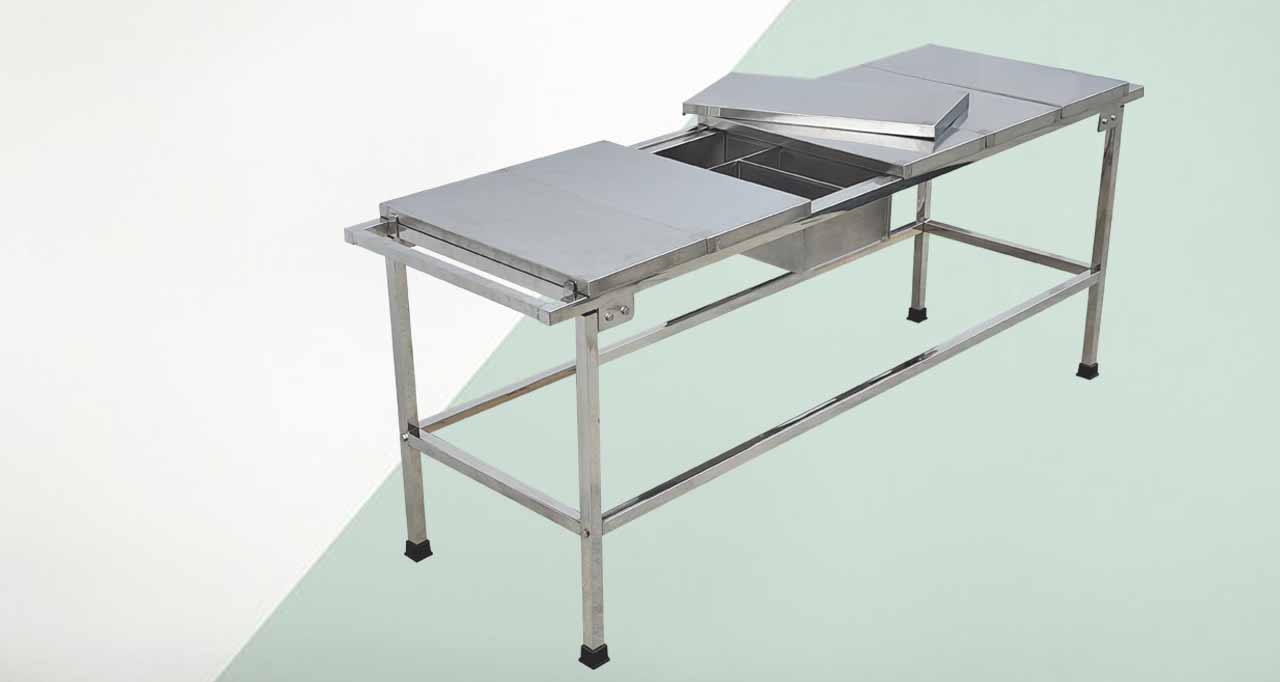
Key Features of Hospital Plaster Table
Here are the key features of a Hospital Plaster Table in detail, designed to support orthopedic procedures such as applying and removing plaster casts:
Sturdy and Durable Frame
- Material: Typically made from stainless steel or heavy-duty mild steel with epoxy powder coating.
- Benefit: Ensures stability and corrosion resistance, suitable for frequent and prolonged use in hospital environments.
Height Adjustable Mechanism
- Type: Manual crank, hydraulic pump, or electric motor.
- Range: Allows raising or lowering the table to accommodate different working positions.
- Benefit: Enhances ergonomics for healthcare professionals, reducing strain during long procedures.
Padded Surface or Mattress
- Material: High-density foam covered with waterproof, antimicrobial vinyl.
- Benefit: Ensures patient comfort during plastering and prevents infection risks.
Adjustable Limb Supports (Arm/Leg Rests)
- Function: Arms and legs can be positioned at various angles for immobilization.
- Features: Padded, height-adjustable, and detachable.
- Benefit: Allows accurate positioning of fractured limbs, aiding in proper plaster application.
Drainage System / Plaster Trap
- Design: A sloped surface or built-in tray that collects excess water and plaster runoff.
- Benefit: Keeps the work area clean and safe, minimizing mess and contamination.
Tilting Top or Backrest Adjustment
- Type: Manually or hydraulically operated tilt mechanism.
- Benefit: Supports semi-recumbent or sitting postures as needed for upper or lower limb treatment.
Easy-to-Clean Surfaces
- Features: Non-absorbent materials, smooth edges, and minimal seams.
- Benefit: Prevents buildup of plaster, making disinfection and maintenance easier.
Lockable Castor Wheels
- Function: Facilitates easy movement and secure positioning of the table.
- Benefit: Offers both mobility and stability as needed during patient handling.
Optional Radiolucent Tabletop
- Material: Made of X-ray-transparent composite material.
- Benefit: Allows imaging without moving the patient, especially useful for trauma or post-plaster X-rays.
Accessory Rails / Attachments
- Usage: For attaching traction kits, IV stands, or plaster equipment.
- Benefit: Adds versatility for complex orthopedic procedures.
Common Uses of Plaster Table
Here are the common uses of a Hospital Plaster Table in detail, especially in the context of orthopedic care and trauma treatment:
Application of Plaster Casts
- Primary Use: The table is extensively used for applying plaster of Paris (POP) or fiberglass casts to stabilize fractured bones.
- Process: Patients can lie or sit comfortably while healthcare professionals accurately position limbs and apply casts.
- Advantage: Stable and adjustable limb supports allow proper alignment for healing.
Removal of Plaster Casts
- Utility: Used during the cast removal process using electric cast saws or cutters.
- Functionality: The table supports the patient securely while limbs are handled gently, minimizing movement during removal.
- Safety: Non-slip, easy-to-clean surfaces help prevent injuries and manage dust and debris from the cast.
Orthopedic Examinations and Reductions
- Use Case: Doctors use the table to examine fractures or dislocations and perform closed reduction (realigning broken bones without surgery).
- Support: Adjustable height and limb holders assist with patient positioning during manipulation.
- Benefit: Enhances procedural accuracy and patient comfort.
Traction Procedures
- Explanation: In some cases, temporary or manual traction is applied to a fractured limb before plastering.
- How It Helps: The plaster table provides the necessary support and anchoring during traction.
- Customization: May include traction frame attachments or accessory rails for pulleys.
Pre- and Post-Plaster Imaging Support
- Purpose: Some plaster tables have radiolucent (X-ray transparent) tops that enable imaging before or after plaster application.
- Advantage: Avoids the need to move the patient, reducing pain and maintaining limb alignment.
Wet Plaster Work and Cleaning Area
- Design Role: Many plaster tables have built-in trays or drainage systems that collect water and excess plaster.
- Usefulness: Ideal for wet plaster work, washing tools, and maintaining a clean working surface.
Emergency Orthopedic Treatment
- In Emergency Rooms (ERs): Used for quickly immobilizing fractures and sprains.
- Speed and Access: Its mobility and multi-positioning options make it easy to handle patients with trauma.
Pediatric and Special Patient Care
- Adaptability: Pediatric or smaller plaster tables are used for treating children or small-framed patients.
- Safety: Adjustable and padded features ensure gentler handling of sensitive cases.
Benefits of Plaster Table
Here are the key benefits of using a dedicated Hospital Plaster Table in orthopedic and trauma care, explained in detail:
Improved Patient Comfort & Safety
- Ergonomic Positioning: Adjustable height, tilt, and limb supports let staff position patients in the least painful posture, reducing muscle strain and anxiety.
- Padded Surfaces: High‑density foam and antimicrobial vinyl coverings cushion bony prominences and guard against pressure sores.
- Secure Immobilization: Lockable supports and non‑slip materials keep limbs steady during casting or removal, minimizing accidental slips or jolts.
Enhanced Procedural Accuracy
- Precise Alignment: Multi‑axis limb rests with fine adjustments allow exact anatomical alignment of fractures, which is critical for optimal healing.
- Radiolucent Top (Optional): Allows in‑situ X‑rays without moving the patient—so reductions or cast placements can be immediately verified under fluoroscopy or plain film.
Workflow Efficiency & Throughput
- Quick Height/Tilt Adjustments: Hydraulic or electric actuators let staff change table configuration in seconds rather than minutes, speeding up back‑to‑back cases.
- Integrated Drainage & Plaster Trays: Built‑in runoff channels and detachable trays collect water and plaster debris, cutting cleanup time between patients.
- Accessory Rails & Modular Attachments: Ready mounting points for traction kits, IV poles, or tool holders keep all necessary equipment at hand.
Infection Control & Cleanliness
- Non‑Absorbent Materials: Smooth, seamless vinyl and stainless‑steel frames resist moisture and microbial colonization.
- Easy Disinfection: Minimal crevices and washable surfaces permit rapid wipe‑down with hospital‑grade disinfectants, reducing cross‑contamination risk.
Staff Ergonomics & Injury Prevention
- Reduced Repetitive Strain: By bringing the patient to the ideal working height and angle, clinicians avoid awkward bending or twisting during lengthy cast applications.
- Stable Working Platform: A solid, vibration‑dampened surface gives clinicians confidence when using powered cast saws or performing reductions.
Versatility Across Clinical Settings
- Trauma & ER Use: Mobile cast tables roll into resuscitation bays for emergent fracture immobilization.
- Pediatric Adaptability: Scaled‑down models or removable extensions accommodate smaller patients without compromising stability.
- Rehabilitation & Follow‑Up: Tables can double for minor outpatient procedures—like splint adjustments—saving space and cost.
Cost‑Effectiveness Over Time
- Durable Construction: Heavy‑duty frames and marine‑grade finishes withstand years of rigorous cleaning and heavy loads, minimizing replacement costs.
- Multi‑Function Design: One table serves both casting and removal, plus minor traction work, reducing the need for multiple single‑purpose beds.
In Summary
A Hospital Plaster Table is more than just a casting station—its design optimizes patient comfort, procedural precision, staff safety, and operational efficiency. Investing in a high‑quality plaster table pays dividends in faster turnaround, fewer complications, and better clinical outcomes.