

 +91 83682 81897
Hospital Tables are essential medical furniture designed to support various healthcare functions in hospitals, clinics, and other medical facilities. They come in different types depending on their specific use—ranging from examination, surgery, and patient care to instrument handling.
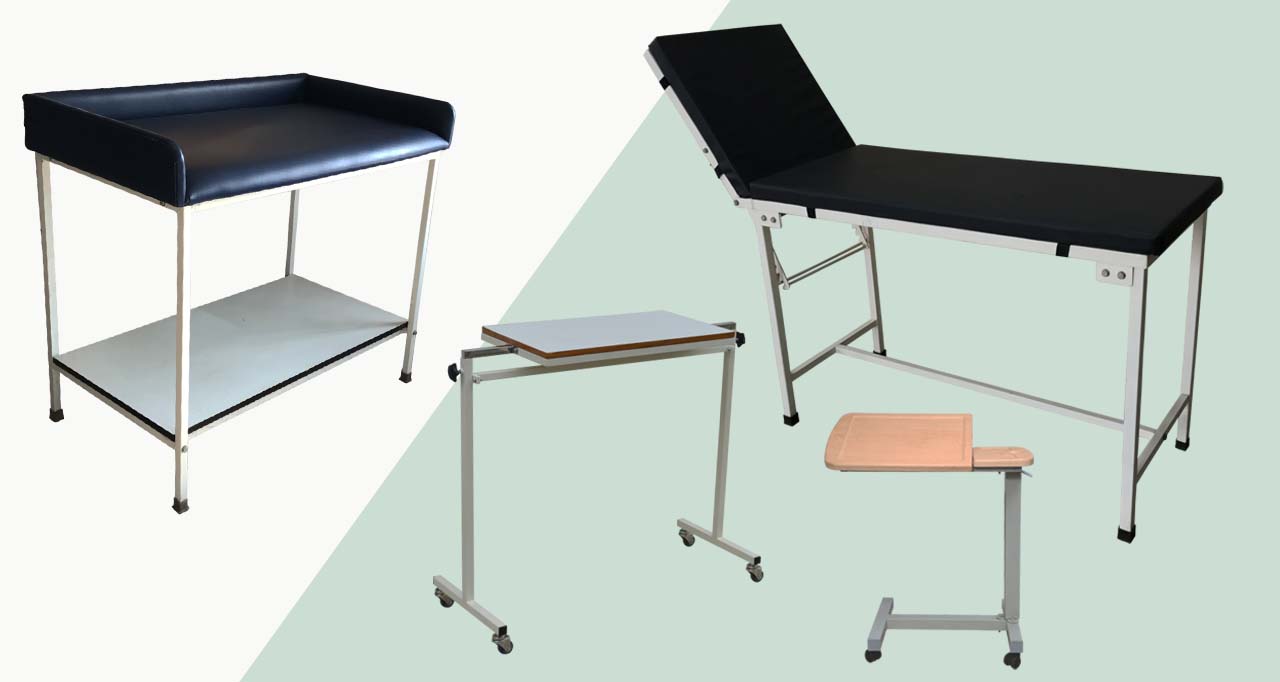
Types of Hospital Tables
Here is a detailed breakdown of the main types of hospital tables, their structure, uses, and features, especially in the context of Indian healthcare settings:
Examination Tables
Purpose: For general patient check-ups in clinics, hospitals, and diagnostic centers.
Key Features:
- Fixed or adjustable height.
- Padded top for patient comfort.
- Backrest adjustment (manual or motorized).
- Often includes drawers or shelves for storing examination tools.
- Some include stirrups for gynecological use.
Common in: General wards, OPDs, PHCs, and private clinics.
Operating Tables (OT Tables)
Purpose: Used during surgical procedures in operating theatres.
Types:
- Manual OT Table: Adjusted using mechanical levers or hydraulic systems.
- Electric/Motorized OT Table: Uses remote or foot controls for multi-positioning.
- C-arm Compatible Table: Radiolucent tabletop for imaging (X-ray, fluoroscopy).
Key Features:
- Adjustable sections (head, leg, back).
- Trendelenburg/reverse Trendelenburg, lateral tilt, height adjustment.
- Antibacterial, corrosion-resistant surface.
- High load capacity.
Common in: Operation theatres of hospitals, multispecialty and super-specialty centers.
Overbed Tables
Purpose: Provide a surface for patients to eat, write, or use a laptop while lying in bed.
Key Features:
- Height adjustable.
- Mounted on wheels for easy positioning.
- Tilt or folding top in advanced models.
- Lightweight and easy to clean.
Common in: ICU, general wards, and private rooms.
Instrument Tables
Purpose: Hold surgical instruments during medical procedures.
Types:
- Mayo Instrument Table: Height-adjustable, used close to the patient.
- Dressing Trolley: Comes with trays, bins, and sometimes drawers for storing dressing materials.
- Kick Bucket Table: Small wheeled bin used for disposing surgical swabs or dressings.
Key Features:
- Stainless steel or epoxy-coated.
- Easy to sterilize.
- With wheels for easy movement.
- Common in: Operation theatres, emergency rooms, minor OT rooms.
Delivery Tables
Purpose: Used during childbirth and gynecological procedures.
Types:
- Fixed Delivery Table
- Telescopic (Adjustable Height)
- Motorized Delivery Table
Key Features:
- Adjustable backrest and leg supports.
- Leg stirrups or lithotomy poles.
- Detachable foot end for delivery convenience.
- SS tray for collecting fluids.
Common in: Maternity wards, labor rooms, gynecology clinics.
Emergency/Trauma Tables
Purpose: Used in casualty/emergency departments for trauma or quick assessments.
Key Features:
- Quick height adjustment.
- Smooth, durable surface.
- Strong caster wheels with brakes.
- Often radiolucent.
Common in: Trauma centers, emergency departments.
X-ray & C-arm Compatible Tables
Purpose: Designed to allow imaging during procedures without moving the patient.
Key Features:
- Radiolucent tabletop.
- Adjustable positions.
- Motorized or hydraulic lifting.
- Compatible with C-arm, X-ray, or fluoroscopy units.
Common in: Radiology departments, orthopedic & spine surgery OTs.
Pediatric/Baby Examination Tables
Purpose: For safe examination of infants and toddlers.
Key Features:
- Lower height for easy access.
- Padded surface with safety rails.
- Drawers for pediatric tools and baby care items.
Common in: Pediatric OPDs and child care centers.
Procedure Tables
Purpose: Used during minor procedures such as wound dressing, injections, or IV infusions.
Key Features:
- Portable and compact.
- Often comes with instrument trays.
- Easily cleaned and sanitized.
Common in: Emergency rooms, outpatient clinics, diagnostic labs.
Role of Hospital Tables in the Indian Healthcare Industry
Hospital tables play a critical role in the functioning and efficiency of healthcare delivery in India. From rural primary health centers (PHCs) to high-end super-specialty hospitals, these tables support medical procedures, enhance patient comfort, and streamline clinical workflows.
Enhancing Quality of Patient Care
- Comfort & Safety: Examination and overbed tables are designed for patient comfort during diagnosis, treatment, and recovery.
- Precision Support: Operating tables provide surgeons with adjustable positions that improve visibility and access, resulting in better surgical outcomes.
- Childbirth Assistance: Delivery tables ensure proper posture for labor, improving maternal and neonatal safety.
Example: In maternity hospitals across India, motorized delivery tables help reduce maternal fatigue and complications during delivery.
Streamlining Medical Procedures
- Workflow Efficiency: Instrument and procedure tables keep essential tools within reach, minimizing interruptions during procedures.
- Reduced Turnaround Time: Quick positioning and mobility of emergency and trauma tables enable faster patient stabilization and transport.
- Imaging Integration: C-arm compatible tables allow real-time imaging during orthopedic or cardiovascular surgeries.
Example: Radiolucent OT tables have become crucial in cardiac and neuro surgeries at tertiary care centers.
Infection Control & Hygiene
- Made from materials like stainless steel, antibacterial laminates, or epoxy-coated surfaces that are easy to clean and disinfect.
- Support hospital-acquired infection (HAI) prevention through hygienic designs, especially in ICUs and OTs.
Example: During the COVID-19 pandemic, stainless-steel tables were essential for maintaining sterile conditions in isolation wards.
Customization for Diverse Settings
- India’s healthcare system is diverse—ranging from rural PHCs to corporate hospitals. Hospital tables are designed accordingly:
- Basic examination tables in rural clinics for cost-effectiveness.
- Motorized surgical tables in urban super-specialty hospitals for complex surgeries.
- Portable/foldable tables in mobile medical units and health camps.
Example: NGOs and government mobile health vans use foldable exam tables to reach remote populations.
Supporting National Health Initiatives
- Hospital tables are integral to the success of government programs like:
- Ayushman Bharat (PM-JAY): For expanding access to surgical and diagnostic care in tier 2/3 cities.
- National Health Mission (NHM): For equipping rural health sub-centers with basic diagnostic and procedural infrastructure.
- Make in India: Promoting the manufacturing of medical furniture domestically.
Example: Under PM-JAY, many district hospitals were upgraded with modular OT tables and improved patient examination units.
Facilitating Emergency & Trauma Care
- Trauma tables aid in fast evaluation and treatment in emergency wards.
- Resuscitation-compatible tables enable CPR, defibrillation, and airway management directly on the surface.
Example: In emergency settings of AIIMS and state medical colleges, mobile trauma tables allow swift action during mass casualty incidents.
Promoting Accessibility & Inclusivity
- Tables designed for pediatric, geriatric, and disabled patients promote inclusivity.
- Height-adjustable and motorized models support caregivers in avoiding musculoskeletal injuries.
Example: Pediatric hospitals often use child-sized exam tables to reduce anxiety and improve cooperation from young patients.
Economic Growth of Medical Furniture Sector
- Hospital tables contribute to the growth of India’s medical devices and equipment industry.
- Indigenous manufacturing creates jobs and reduces import dependency.
Key Indian manufacturers: HEMC (Hospital Equipment Manufacturing Company) hemcmedical.com.
Digital & Technological Integration
Advanced hospital tables are now integrated with:
- Patient monitoring systems
- C-arm & X-ray compatibility
- Smart controls via footswitches or remotes
Example: Multi-specialty hospitals in metro cities use programmable surgical tables that adjust automatically to surgical presets.
Benefits of Hospital Tables
Here’s a detailed explanation of the benefits of hospital tables, highlighting how they support patient care, improve hospital workflow, and enhance medical outcomes across different healthcare settings in India:
Detailed Benefits of Hospital Tables
Improved Patient Comfort and Care
- Padded, ergonomic surfaces reduce discomfort during examinations, surgeries, and recovery.
- Height-adjustable tables allow customization to suit different patients (children, elderly, pregnant women, etc.).
- Overbed tables help patients eat, read, or use laptops comfortably without getting out of bed.
Example: In ICUs, overbed tables reduce patient strain by providing essential access without needing movement.
Supports a Wide Range of Medical Procedures
- Tables like operating, examination, and delivery tables are critical platforms for diagnosis, treatment, and surgical interventions.
- C-arm compatible OT tables enable intraoperative imaging for precision during orthopaedic and cardiac procedures.
- Instrument tables organize surgical tools for sterile and efficient access during surgeries.
Example: OT tables with Trendelenburg positions are essential in abdominal and gynecological surgeries.
Enhanced Emergency Response
- Trauma tables allow quick patient assessment and stabilization in emergency settings.
- Lightweight, movable tables ensure patients can be repositioned rapidly during resuscitation or treatment.
Example: Mobile trauma tables in ERs support life-saving interventions like CPR or intubation without delays.
Increased Workflow Efficiency for Healthcare Staff
- Instrument and utility tables reduce movement and time wasted by keeping tools within arm’s reach.
- Overbed tables and treatment tables streamline bedside care, saving time for nurses and doctors.
- Adjustable tables prevent awkward working positions, reducing physical strain on staff.
Example: Height-adjustable delivery tables minimize back strain for obstetricians during labor management.
Maintains Hygiene and Infection Control
- Most hospital tables are made of stainless steel, laminated wood, or powder-coated metal, all of which are easy to clean and sanitize.
- Some have antimicrobial coatings to reduce risk of cross-infection, especially in OT and ICU settings.
Example: Instrument tables are disinfected after each use to maintain surgical sterility.
Adaptability Across Various Departments
One of the major benefits is multi-functionality:
- Examination tables are used in OPDs, clinics, and PHCs.
- Delivery tables are designed for maternity wards but can also serve for gynecological procedures.
- Overbed tables suit general wards, post-operative rooms, and ICUs.
Example: Exam-cum-treatment tables are widely used in rural India to serve multiple purposes within small setups.
Technological Integration in Modern Models
- Many surgical tables now come with:
- Electric motor systems for precise positioning.
- Memory presets to save common surgical positions.
- Radiolucent surfaces for imaging compatibility.
Example: Neurosurgical OT tables allow head stabilization and micro-adjustments during delicate brain surgeries.
Promotes Accessibility and Inclusive Healthcare
- Height-adjustable tables help elderly or disabled patients access treatment without difficulty.
- Pediatric and bariatric tables accommodate specific patient needs.
Example: Adjustable exam tables improve care for wheelchair users, aligning height with minimal transfers.
Cost-Effective Long-Term Investment
- Durable materials and long service life make hospital tables a cost-efficient asset.
- Minimal maintenance is required, especially for manual and stainless-steel models.
- Multi-functional designs reduce the need for separate equipment purchases.
Example: A good-quality manual OT table can serve across several departments for over a decade.
Supports Rural & Mobile Healthcare Services
- Foldable, lightweight, and portable examination tables are ideal for:
- Mobile medical vans
- Health camps in remote areas
- Emergency relief operations
Example: NGOs often use compact examination tables to offer services in villages under outreach programs.

