

 +91 83682 81897
When buying hospital furniture in India, several important factors need to be considered to ensure safety, functionality, comfort, durability, and regulatory compliance.
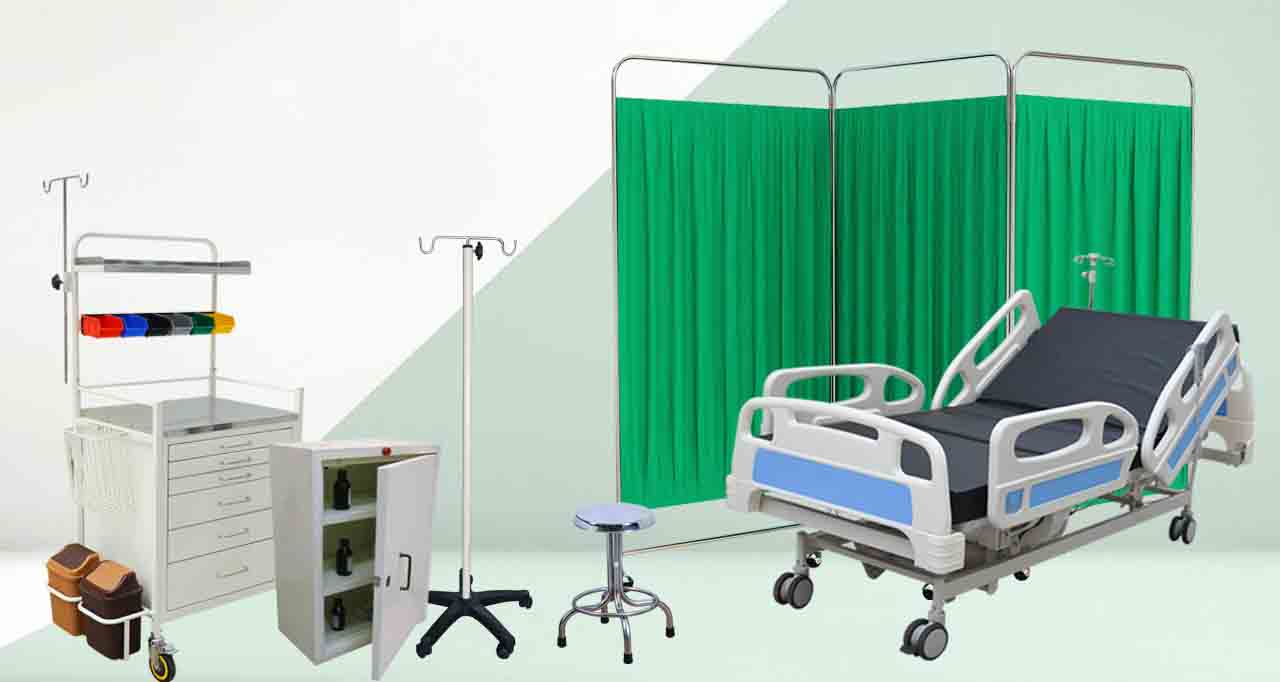
Below is a detailed guide on what to look for:
Quality and Durability
- Material Strength: Choose stainless steel, powder-coated steel, ABS plastic, or high-quality wood depending on the furniture type.
- Corrosion Resistance: Important for equipment used in humid environments or near fluids (e.g., ICU beds, instrument trolleys).
- Load Capacity: Check the maximum weight the furniture can safely handle, especially for beds, stretchers, and chairs.
- Longevity: Consider vendors offering long warranty periods and proven track records.
Functionality and Features
- Adjustability: Beds, examination tables, and chairs should be height/angle adjustable to suit different procedures.
- Mobility: Wheels with lockable castors on stretchers, trolleys, and beds for easy movement and safety.
- Modular Design: Furniture like storage units and operating tables should be modular for future upgrades or rearrangements.
- Multi-Purpose Use: Choose items that serve multiple roles to save space and cost.
Comfort and Ergonomics
- Patient Comfort: Look for cushioning, backrest adjustments, and ergonomic design in beds, recliners, and chairs.
- Caregiver Access: Furniture should be designed for easy patient access and caregiver operation without strain.
- Safety Features: Rounded edges, anti-slip features, safety rails (on beds/stretchers), and secure locking mechanisms.
Hygiene and Maintenance
- Easy to Clean: Materials should be smooth, non-porous, and resistant to disinfectants.
- Infection Control: Choose anti-microbial or easily sterilizable surfaces, especially for OT and ICU furniture.
- Spill Resistance: Useful for furniture in diagnostics, patient wards, and treatment areas.
Compliance with Standards
- BIS Certification: Look for BIS (Bureau of Indian Standards) certification for quality assurance.
- CE/ISO Certification: International certifications indicate adherence to global quality and safety norms.
- Fire Safety: Furniture should be flame-retardant, especially in critical care areas.
Customization Options
- Local Needs: Custom sizes or specifications may be necessary for certain departments (e.g., pediatrics, orthopedics).
- Branding: Some manufacturers offer options to add hospital logos or color schemes.
- Department-Specific Furniture: Like OT tables, labor beds, neonatal furniture, etc.
Cost and Value for Money
- Budget-Friendly vs. Premium: Determine whether to invest in long-term durable furniture or more economical options for temporary use.
- Bulk Discounts: Many vendors in India offer bulk purchasing discounts.
- After-Sales Service: Ensure good warranty coverage, spare part availability, and service responsiveness.
Vendor Reputation and Support
- Manufacturer or Dealer: Buy from reputed hospital furniture manufacturers or certified distributors.
- Client Reviews: Ask for references from other hospitals or read online reviews.
- Installation & Training: Some vendors provide on-site installation and usage training for complex equipment.
Local vs. Imported
- Make in India: Many hospitals prefer locally made furniture for easy servicing and lower costs.
- Imported Options: Might offer advanced features but can be expensive and harder to service locally.
Documentation and Warranty
- Product Manual: Must include detailed instructions for assembly, use, and maintenance.
- Warranty & AMC: Look for minimum 1–3 years of warranty and the option for annual maintenance contracts.
Role of Hospital Furniture in Health Care Industry
Hospital furniture plays a critical role in the healthcare industry by supporting patient care, enhancing operational efficiency, and ensuring the comfort and safety of both patients and healthcare providers. Here’s a detailed explanation of its roles:
Ensuring Patient Comfort and Care
- Hospital beds, wheelchairs, recliners, and examination tables are designed to maximize patient comfort, especially during long stays or recovery.
- Adjustable beds and ergonomic chairs help maintain patient posture and reduce pressure sores or physical strain.
Supporting Medical Procedures and Treatment
- Operation tables, instrument trolleys, and anesthesia carts are integral to performing surgeries and critical care tasks.
- Proper furniture helps doctors and nurses access tools, medication, and patients easily, leading to better care delivery.
Enabling Emergency Response
- Furniture like emergency stretchers, crash carts, and ICU beds are crucial for rapid medical interventions.
- Quick access and mobility of these items help save time and improve emergency response outcomes.
Improving Healthcare Staff Efficiency
- Workstations, mobile carts, and examination couches are designed to support clinical workflow and reduce fatigue.
- Properly organized and well-designed furniture reduces time spent locating tools or adjusting equipment, helping caregivers focus more on patient care.
Maintaining Hygiene and Infection Control
- Hospital furniture is typically made with antibacterial, easy-to-clean materials, critical for preventing hospital-acquired infections (HAIs).
- Furniture like waste bins, dressing trolleys, and linen carts help with proper segregation and handling of medical waste.
Optimizing Space and Organization
- Modular and space-saving furniture enables better use of limited hospital space, especially in urban or high-patient-load settings.
- Organized storage units, lockers, and filing cabinets help maintain patient records, supplies, and tools systematically.
Specialized Support for Different Departments
- Pediatric furniture, maternity beds, neonatal incubators, and dialysis chairs are customized for specific patient groups and treatments.
- This ensures that patients receive appropriate and safe care according to their condition and age.
Enhancing Patient Experience and Satisfaction
- Comfortable seating in waiting areas, visitor chairs, and aesthetic design elements contribute to a positive perception of care.
- A welcoming environment reduces patient anxiety and promotes faster recovery.
Ensuring Patient and Staff Safety
- Features like side rails, anti-slip footrests, and lockable castors prevent accidents and falls.
- Durable, stable furniture reduces the risk of equipment failure or collapse during use.
Contributing to Operational Efficiency
- Standardized, durable furniture reduces long-term costs by minimizing frequent replacements.
- Modular designs support scalability and adaptability to changing hospital needs.
Conclusion:
Hospital furniture is not just about utility — it is a vital part of healthcare infrastructure. It directly influences clinical outcomes, patient satisfaction, staff productivity, and overall healthcare quality.