
 +91 83682 81897
Motorized examination tables and chairs are essential equipment in many medical settings, providing comfort and accessibility for patients while allowing healthcare professionals to perform examinations and treatments more efficiently.
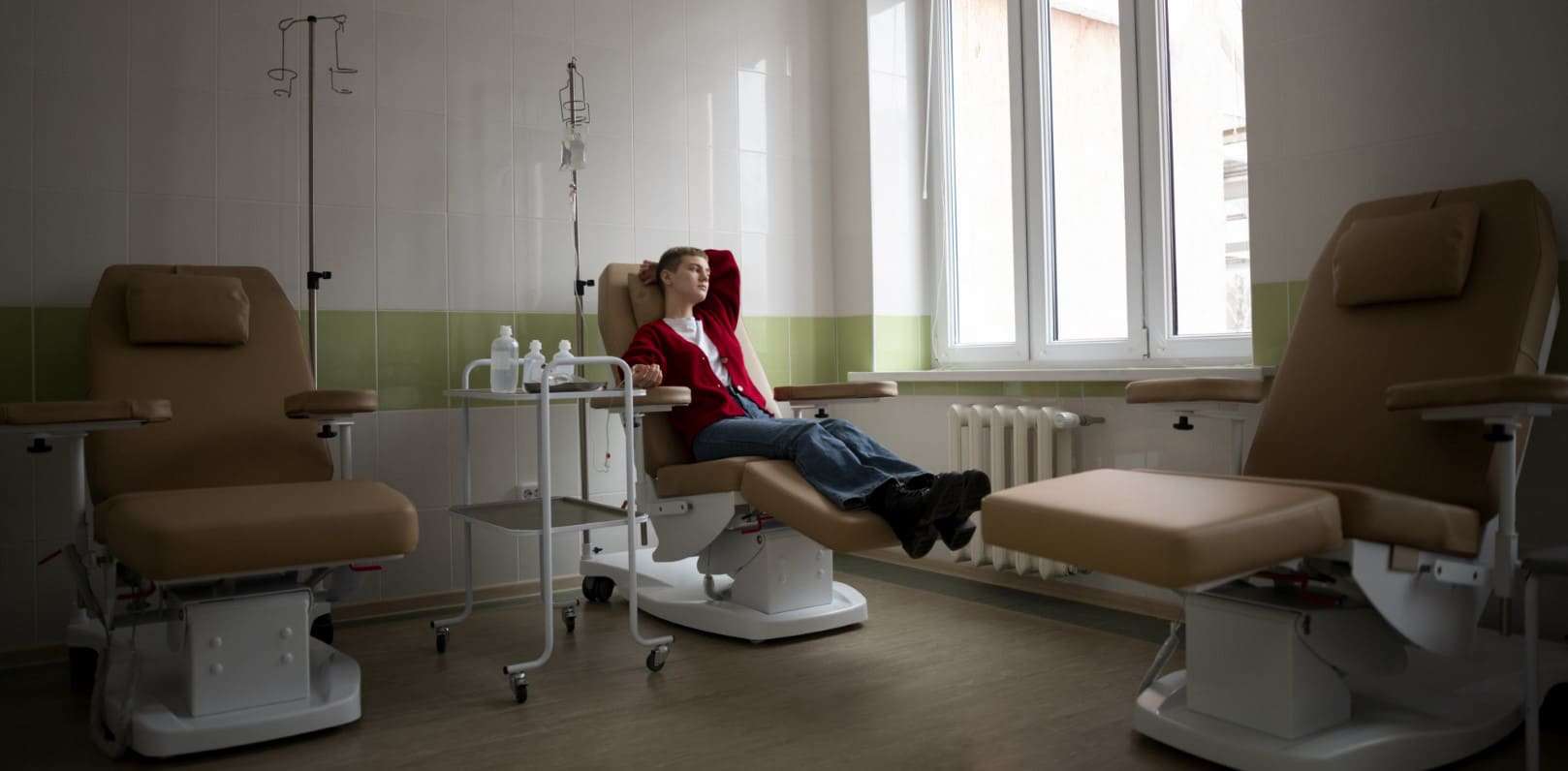
Here’s a comprehensive overview of what you need to know about motorized examination tables and chairs:
Key Features
Adjustability:
- Height Adjustment: Allows for easy positioning of the patient, improving access and ergonomics for the healthcare provider.
- Backrest and Legrest Adjustment: Facilitates comfortable positioning for various types of examinations and procedures.
- Trendelenburg and Reverse Trendelenburg: Positions the patient in a head-down or head-up tilt, useful for certain medical procedures and examinations.
Control Mechanisms:
- Hand or Foot Controls: Motorized tables and chairs often come with hand-held or foot-operated controls, allowing for smooth and precise adjustments.
- Programmable Positions: Some models feature programmable settings to quickly move to frequently used positions.
Weight Capacity:
- Standard vs. Bariatric Models: Standard models typically support up to 400 lbs, while bariatric models are designed to accommodate higher weights, ensuring safety and comfort for all patients.
Padding and Upholstery:
- Comfortable Padding: Ensures patient comfort during examinations and procedures.
- Durable Upholstery: Made from materials that are easy to clean and disinfect, often resistant to stains and wear.
Mobility and Stability:
- Locking Casters: Provide mobility for easy repositioning, with locking mechanisms to ensure stability during use.
- Sturdy Base: Ensures stability, preventing tipping or wobbling during patient transfer or examination.
Benefits
Patient Comfort:
- Smooth Transitions: Motorized adjustments allow for smooth transitions between positions, enhancing patient comfort and reducing anxiety.
- Customizable Positioning: Tailors the examination table to the patient’s needs, accommodating various medical conditions and physical limitations.
Improved Accessibility:
- Easier Transfers: Height adjustability makes it easier to transfer patients from wheelchairs or stretchers, reducing the risk of injury to both patients and staff.
- Enhanced Access for Examinations: Adjustable features improve access to different parts of the body, facilitating thorough examinations and treatments.
Efficiency and Ergonomics:
- Reduced Strain on Healthcare Providers: Adjustable features allow providers to work at optimal heights and angles, reducing physical strain and fatigue.
- Time Savings: Quick and precise adjustments save time, allowing for more efficient patient flow.
Maintenance and Care
Regular Cleaning and Disinfection:
- Daily Cleaning: Wipe down surfaces with appropriate disinfectants after each use to maintain hygiene.
- Deep Cleaning: Perform periodic deep cleaning to remove any buildup of dirt or contaminants.
Routine Inspections:
- Mechanical Checks: Regularly inspect motorized components, controls, and moving parts for signs of wear or malfunction.
- Upholstery Checks: Look for tears, cracks, or wear in the upholstery and repair or replace as needed.
Manufacturer Guidelines:
- Follow Instructions: Adhere to the manufacturer’s maintenance and care guidelines to ensure the longevity and safe operation of the equipment.
- Professional Servicing: Schedule regular professional servicing to address any mechanical issues and ensure the equipment remains in optimal condition.
Considerations for Purchase
Specific Needs:
- Type of Examinations and Procedures: Consider the types of procedures and examinations to determine the necessary features and adjustments.
- Patient Demographics: Take into account the weight capacity and accessibility features needed for your patient population.
Budget:
- Cost vs. Features: Balance the cost of the table or chair with the necessary features, ensuring you get the best value for your investment.
- Warranty and Support: Consider the warranty period and availability of customer support and service.
Space and Layout:
- Room Size: Ensure the table or chair fits comfortably in the examination room with enough space for movement and additional equipment.
- Power Source: Verify the availability and location of electrical outlets for powering the motorized components.
By understanding these key aspects of motorized examination tables and chairs, healthcare providers can make informed decisions to enhance patient care and improve the efficiency of their practice.