
 +91 83682 81897
Resuscitators are among the most critical medical devices used in emergency medicine, hospitals, ambulances, and intensive care units. Designed to provide artificial ventilation to patients who are unable to breathe adequately on their own, these life-saving instruments play a vital role in maintaining oxygen supply during medical emergencies and critical care situations.
From neonatal care to adult emergency treatment, resuscitators are indispensable components of modern healthcare systems. They work alongside various Medical disposable items or products, including airway accessories, breathing circuits, oxygen mask with tube, and nebulizer mask systems to ensure effective respiratory support for patients of all ages.
In addition to their clinical significance, resuscitators complement a wide range of Laboratory Products and diagnostic equipment that help healthcare professionals assess respiratory function and determine appropriate treatment strategies. This article explores the importance, types, applications, benefits, and future developments of resuscitators in modern medicine.
What Are Resuscitators?
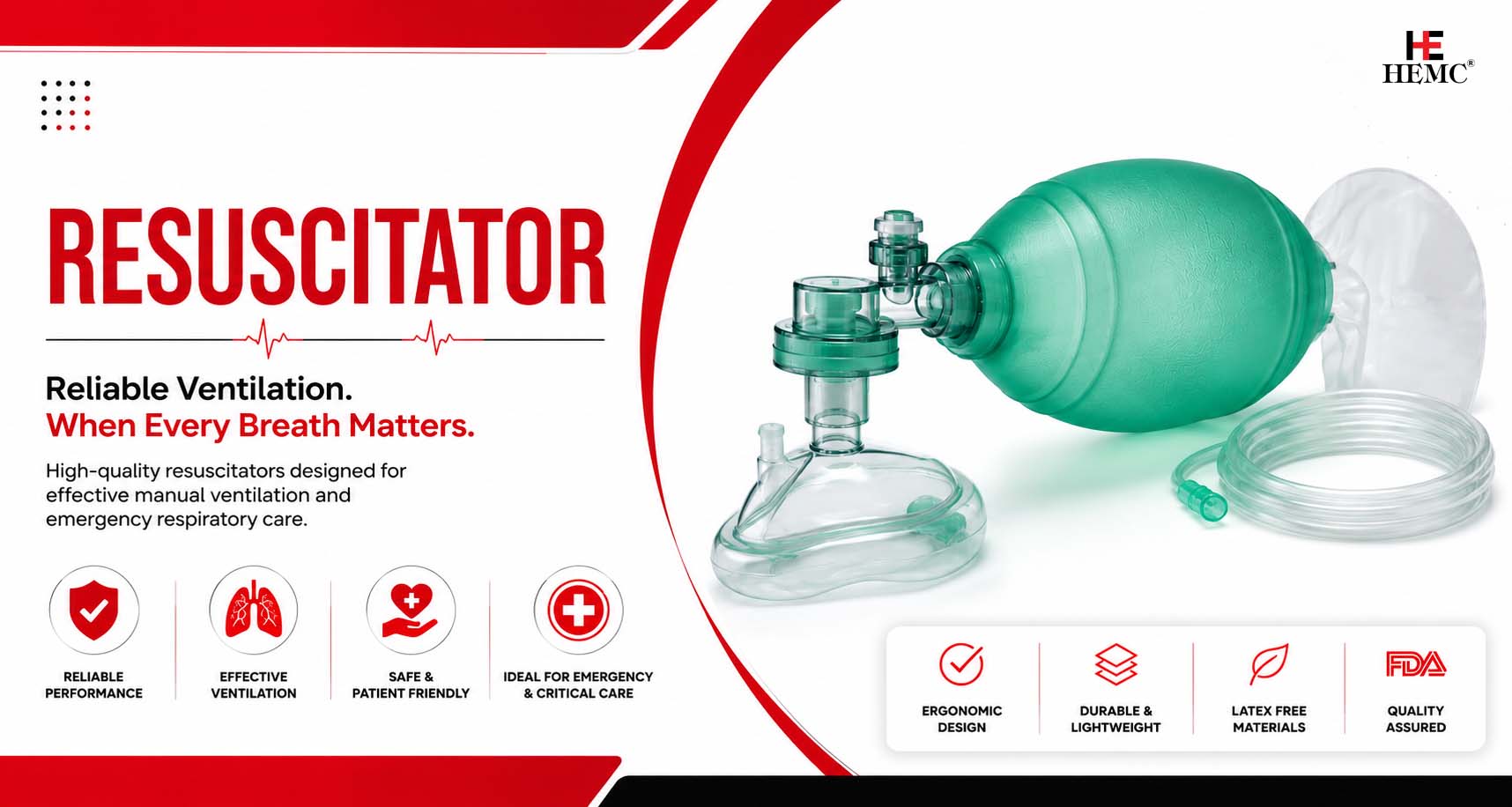
Resuscitators are medical instruments designed to provide positive pressure ventilation to patients who are experiencing respiratory failure or cardiac arrest. These devices deliver oxygen into the lungs either manually or automatically, ensuring that vital organs continue receiving adequate oxygen during emergencies.
Resuscitators are commonly used in hospitals, emergency departments, ambulances, operating rooms, intensive care units, and neonatal care centers. They are fundamental medical devices that support life-saving interventions and improve patient survival rates.
Modern resuscitation equipment incorporates advanced technologies, ergonomic designs, and compatibility with various Medical disposable items or products to maximize efficiency and patient safety.
Importance of Resuscitators in Healthcare
Saving Lives During Emergencies
- The primary function of resuscitators is to maintain breathing when patients are unable to do so independently. During cardiac arrest, trauma, drowning, or respiratory complications, immediate ventilation support can significantly increase survival chances.
Supporting Critical Care
- Patients in intensive care units often require temporary respiratory assistance. Resuscitators help stabilize breathing until advanced ventilation systems can be implemented.
Assisting Neonatal Care
- Newborn infants, particularly premature babies, sometimes experience breathing difficulties immediately after birth. Neonatal resuscitators provide gentle and controlled ventilation to support infant health and development.
Enhancing Emergency Medical Services
- Ambulance teams and emergency responders rely heavily on portable resuscitators as essential medical devices during patient transportation and pre-hospital care.
Types of Resuscitators
Modern healthcare facilities utilize several types of resuscitators depending on clinical requirements.
Manual Resuscitators
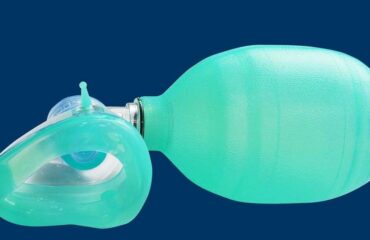
- Manual resuscitators, commonly known as Bag Valve Masks (BVMs), are among the most widely used emergency ventilation devices. They consist of a self-inflating bag, face mask, oxygen reservoir, and valve system.
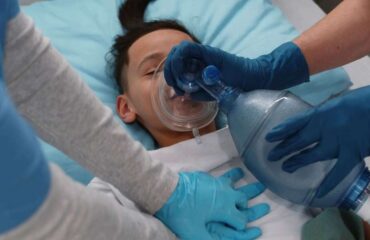
- Healthcare professionals manually compress the bag to deliver oxygen into the patient’s lungs. These devices are lightweight, portable, and highly reliable during emergencies.
- Manual resuscitators often work alongside an oxygen mask with tube system to ensure continuous oxygen supply.
Automatic Resuscitators
- Automatic resuscitators provide mechanical ventilation without requiring manual compression. They are frequently used during prolonged emergency procedures or patient transportation.
- These advanced medical devices offer consistent ventilation rates and reduce physical fatigue among healthcare providers.
Neonatal Resuscitators
- Specially designed for newborn infants, neonatal resuscitators deliver lower ventilation pressures suitable for delicate infant lungs. Precision and safety features make them indispensable tools in maternity hospitals and neonatal intensive care units.
Transport Resuscitators
- Portable transport resuscitators support patients during transfers between healthcare facilities or hospital departments. Compact designs and battery-powered systems enhance mobility and operational efficiency.
Components of a Resuscitator System
A complete resuscitation setup typically includes several important elements:
Face Masks
- Face masks create airtight seals around the patient’s nose and mouth, ensuring effective oxygen delivery. Different sizes accommodate neonatal, pediatric, and adult patients.
Oxygen Reservoir Bags
- Reservoir bags increase oxygen concentration during ventilation, improving respiratory support during critical situations.
Oxygen Mask with Tube
- The oxygen mask with tube remains an essential accessory in respiratory care. It facilitates direct oxygen administration and supports resuscitation procedures by maintaining adequate oxygen flow.
- Hospitals frequently stock these products as part of their standard inventory of Medical disposable items or products.
Airway Devices
- Airway adjuncts such as oral and nasal airways help maintain open breathing passages during emergency interventions.
Nebulizer Mask Systems
- Although primarily used for medication delivery, the nebulizer mask serves an important role in respiratory management by administering aerosolized treatments to patients experiencing breathing difficulties.
- These products complement resuscitation equipment and contribute to comprehensive respiratory care programs.
Role of Medical Disposable Items or Products in Resuscitation
Modern healthcare facilities depend heavily on Medical disposable items or products to maintain hygiene, efficiency, and patient safety.
Disposable medical products commonly associated with resuscitators include:
- Single-use face masks
- Breathing circuits
- Oxygen tubing
- Airway devices
- Bacterial filters
- Suction catheters
- Gloves and protective equipment
- Disposable oxygen mask with tube
- Single-use nebulizer mask kits
Using disposable products reduces cross-contamination risks and supports infection control protocols within healthcare environments.
Applications of Resuscitators
Hospitals
- Emergency departments, intensive care units, operating theaters, and recovery rooms utilize resuscitators extensively as essential medical devices.
Ambulance Services
- Paramedics rely on portable resuscitators during accident responses, cardiac emergencies, and patient transportation.
Neonatal Care Centers
- Specialized neonatal resuscitators support premature infants and newborns experiencing respiratory distress.
Military and Disaster Relief Operations
- Emergency response teams employ compact resuscitation equipment during natural disasters, humanitarian missions, and military medical operations.
Home Healthcare
- Certain patients with chronic respiratory conditions may require portable respiratory support systems under professional supervision.
Laboratory Products Supporting Respiratory Healthcare
Although resuscitators primarily serve clinical functions, various Laboratory Products contribute significantly to respiratory diagnosis and treatment planning.
Blood Gas Analyzers
- These instruments measure oxygen and carbon dioxide levels in blood samples, helping physicians evaluate respiratory function.
Pulmonary Function Testing Equipment
- Laboratory devices assess lung capacity and breathing performance, enabling accurate diagnosis of respiratory disorders.
Microbiology Testing Products
- Laboratories use specialized products to identify infections that may contribute to respiratory complications.
Diagnostic Consumables
- Many Medical disposable items or products used in laboratories support respiratory testing and patient monitoring procedures.
Together, these Laboratory Products provide essential data that guide effective resuscitation and respiratory care strategies.
Advantages of Modern Resuscitators
Improved Patient Survival Rates
- Rapid and effective ventilation significantly increases survival chances during medical emergencies.
Portability
- Modern resuscitators are lightweight and easy to transport, making them ideal for emergency medical services.
Ease of Use
- Ergonomic designs and intuitive controls enable healthcare professionals to respond quickly during critical situations.
Compatibility with Medical Disposable Items or Products
Resuscitators work seamlessly with disposable masks, tubing, filters, and accessories, enhancing hygiene and operational efficiency.
Reduced Infection Risks
- Single-use components, including oxygen mask with tube systems and nebulizer mask products, help prevent healthcare-associated infections.
Factors to Consider When Choosing Resuscitators
Healthcare organizations should evaluate several important criteria when purchasing resuscitation equipment.
Quality Standards
- Products should comply with international certifications and medical safety regulations.
Material Durability
- High-quality materials ensure reliability under demanding clinical conditions.
Compatibility
- Equipment should support various Medical disposable items or products, including different mask types and oxygen delivery systems.
Ease of Maintenance
- Simple cleaning procedures and readily available replacement components reduce operational costs.
Patient Population
- Facilities should select adult, pediatric, or neonatal models according to their specific healthcare requirements.
Innovations in Resuscitation Technology
Medical technology continues to advance, bringing new improvements to resuscitation equipment.
Smart Monitoring Features
- Integrated sensors monitor ventilation pressure, oxygen delivery, and patient response in real time.
Digital Connectivity
- Modern medical devices increasingly connect with electronic healthcare systems for improved documentation and patient management.
Lightweight Materials
- Advanced manufacturing techniques reduce equipment weight without compromising durability.
Eco-Friendly Medical Disposable Products
- Manufacturers are developing environmentally responsible Medical disposable items or products to reduce healthcare waste while maintaining safety standards.
Enhanced Oxygen Delivery Systems
- Improved oxygen mask with tube designs provide greater comfort and efficiency during respiratory treatment.
Integration with Nebulizer and Oxygen Therapy Equipment
Resuscitators frequently function alongside other respiratory support systems.
Nebulizer Mask Applications
- The nebulizer mask plays a critical role in delivering medications directly to the lungs. Patients suffering from asthma, chronic obstructive pulmonary disease, or respiratory infections often benefit from nebulized treatments before or after resuscitation procedures.
Oxygen Therapy Systems
- An oxygen mask with tube provides supplemental oxygen in various healthcare settings, supporting patients recovering from respiratory emergencies or surgical procedures.
- The integration of these products demonstrates the importance of comprehensive respiratory care solutions within modern healthcare systems.
Importance of Reliable Manufacturers
Selecting trusted manufacturers ensures product quality, safety, and regulatory compliance.
Healthcare providers should prioritize suppliers that offer:
- International certifications
- Durable product designs
- Comprehensive after-sales support
- Consistent availability of Medical disposable items or products
- Compatibility with existing Laboratory Products
- Advanced medical technologies
Strong partnerships with reliable manufacturers contribute to better patient outcomes and operational efficiency.
Future Trends in Resuscitation Equipment
The future of resuscitation technology will likely emphasize automation, digital integration, and patient-centered care.
Artificial intelligence may assist healthcare professionals by providing real-time ventilation recommendations and predictive analysis during emergency procedures.
Sustainable manufacturing practices will also influence the development of environmentally friendly Medical disposable items or products, including biodegradable respiratory accessories.
Meanwhile, improvements in Laboratory Products, oxygen mask with tube systems, and nebulizer mask technologies will continue enhancing respiratory healthcare worldwide.
Conclusion
Resuscitators remain among the most important medical devices in modern healthcare, providing life-saving respiratory support during emergencies, critical care situations, and neonatal interventions. Their effectiveness depends not only on advanced engineering but also on integration with high-quality Medical disposable items or products, including face masks, breathing circuits, oxygen mask with tube, and nebulizer mask solutions.
Furthermore, complementary Laboratory Products play a vital role in diagnosing respiratory conditions and guiding treatment decisions, creating a comprehensive ecosystem for patient care.
As healthcare technologies continue evolving, resuscitators will become even more sophisticated, efficient, and accessible, ultimately improving patient outcomes and strengthening emergency medical services around the world.