
 +91 83682 81897
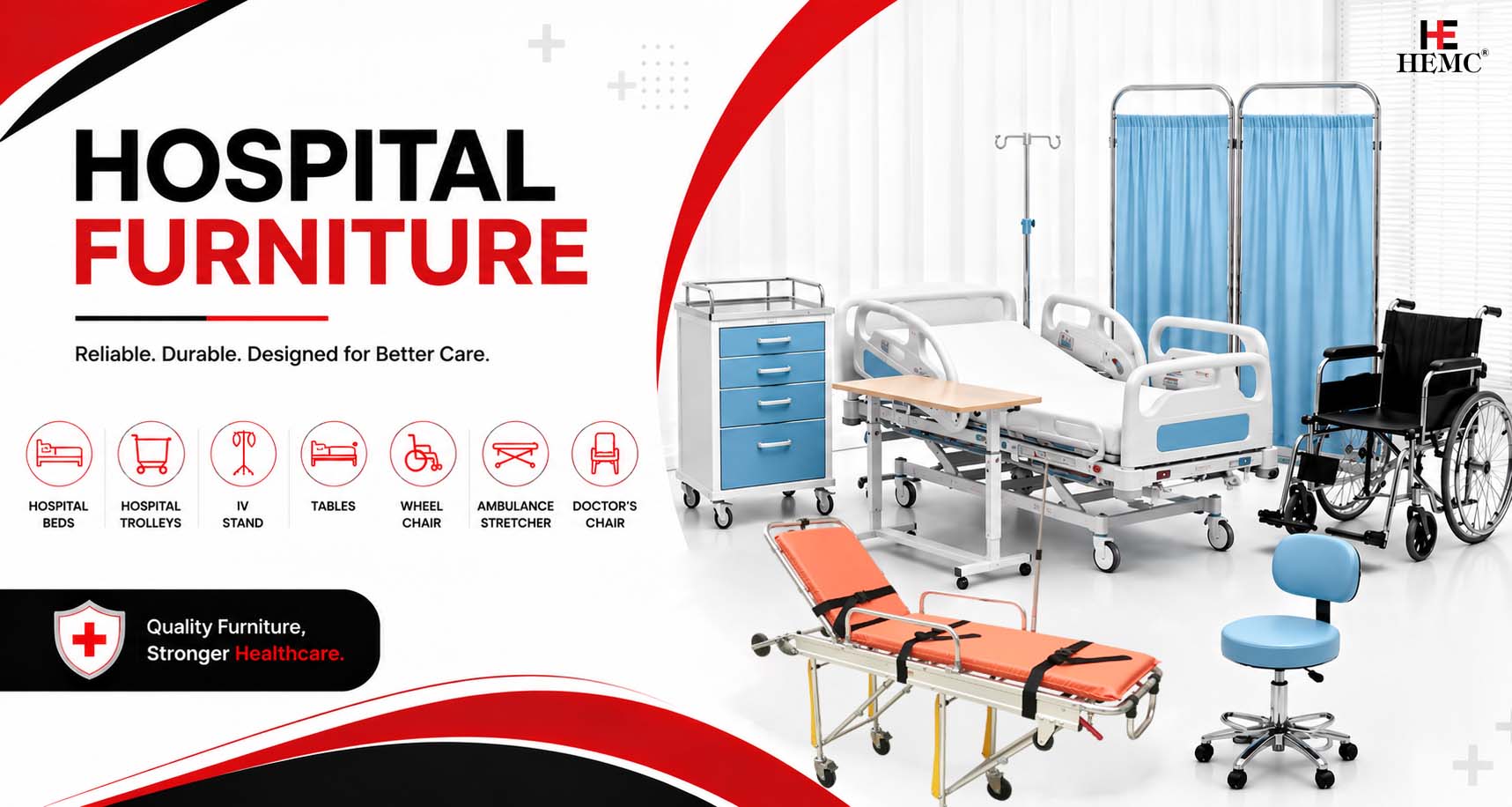
Hospital furniture forms the backbone of every healthcare institution, supporting patient comfort, medical efficiency, and clinical excellence. From Hospital Beds and ICU Beds to Hospital Trolleys, IV Stands, Wheel Chairs, and Ambulance Stretchers, every piece of equipment contributes to creating a safe and effective healthcare environment. Modern hospitals require durable, ergonomic, and technologically advanced furniture that meets the evolving needs of patients and medical professionals alike.
The growing emphasis on quality healthcare services has increased the demand for premium Hospital Equipment designed to improve patient outcomes and streamline hospital operations. Today, hospital furniture extends beyond traditional beds and chairs to include multifunctional tables, bedside screens, doctor’s tools and chairs, mobility equipment, and emergency transport systems.
The Importance of Hospital Furniture in Healthcare
Hospital furniture is more than just functional equipment. It directly impacts patient recovery, staff efficiency, infection control, and the overall healthcare experience. Well-designed hospital furniture ensures patient comfort while allowing healthcare providers to deliver treatment safely and efficiently.
Modern Hospital Equipment is built with several important considerations, including:
- Durability for continuous use
- Easy cleaning and maintenance
- Ergonomic designs for healthcare professionals
- Patient safety features
- Mobility and flexibility
- Compliance with healthcare standards
Healthcare institutions increasingly invest in advanced hospital furniture to create environments that promote healing, comfort, and operational excellence.
Hospital Beds: The Foundation of Patient Care
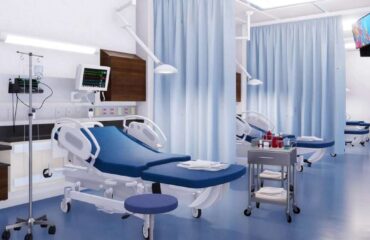
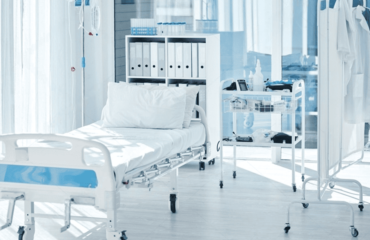
Hospital Beds are among the most essential components of hospital furniture. They provide patients with comfort, support, and accessibility during treatment and recovery.
Today’s Hospital Beds incorporate numerous features, such as:
- Adjustable backrests
- Height control mechanisms
- Side safety rails
- Lockable castors
- Ergonomic mattress systems
- Electrical or manual operation
These features improve both patient care and caregiver convenience, making hospital beds indispensable in modern healthcare settings.
Different medical departments require specialized beds to address unique patient needs, leading to the development of ICU Beds, General Beds, and other customized solutions.
ICU Bed: Advanced Support for Critical Care
The ICU Bed represents one of the most sophisticated forms of Hospital Equipment. Intensive Care Units require beds that provide maximum flexibility and support for critically ill patients.
Modern ICU Beds include advanced features such as:
- Electric positioning controls
- Cardiac chair functions
- Trendelenburg and reverse Trendelenburg positioning
- Integrated weighing systems
- Emergency CPR release mechanisms
- Patient monitoring integration
These capabilities allow medical professionals to deliver life-saving treatments while maintaining patient comfort and safety.
ICU Beds also reduce the physical burden on healthcare staff by enabling smooth repositioning and patient handling, improving workflow efficiency within critical care units.
General Bed: Reliable Solutions for Everyday Patient Care
The General Bed remains the most commonly used hospital bed in healthcare facilities. It serves patients in general wards, clinics, nursing homes, and rehabilitation centers.
General Beds are designed to provide:
- Comfortable patient accommodation
- Manual or semi-electric adjustments
- Durable steel or stainless-steel construction
- Easy maintenance
- Cost-effective solutions
Although simpler than ICU Beds, General Beds continue to play a vital role in patient recovery by providing essential support and comfort throughout hospitalization.
Healthcare providers often select General Beds based on durability, patient requirements, and available hospital infrastructure.
Hospital Trolleys: Improving Mobility and Efficiency
Hospital Trolleys are crucial for maintaining smooth operations within medical facilities. These versatile units support the movement of medical supplies, instruments, medications, and emergency equipment.
Different types of Hospital Trolleys include:
Emergency Trolleys
- Emergency trolleys store critical medical equipment and medicines required during life-threatening situations. They provide quick access to essential resources and support rapid medical intervention.
Instrument Trolleys
- Instrument trolleys help organize surgical tools and maintain sterile conditions during procedures.
Dressing Trolleys
- Dressing trolleys transport wound care materials and medical supplies used during patient treatment.
Utility Trolleys
- Utility trolleys assist with housekeeping, logistics, and supply management throughout healthcare facilities.
The proper use of Hospital Trolleys significantly enhances workflow efficiency and reduces delays in patient care.
Tables: Essential Furniture for Healthcare Operations
Tables serve multiple purposes within hospitals and healthcare institutions. Different departments require specialized tables to support medical procedures, examinations, and administrative functions.
Examination Tables
- Examination tables provide comfortable surfaces for routine patient assessments and consultations.
Operating Tables
- Operating tables are highly specialized Hospital Equipment designed for surgical procedures. They offer adjustable positioning systems that enable surgeons to perform complex operations effectively.
Bedside Tables
- Bedside tables provide patients with convenient storage for personal belongings, medicines, and meals.
Instrument Tables
- Instrument tables help organize surgical and diagnostic equipment during medical procedures.
Modern hospital tables prioritize hygiene, durability, and ergonomic design to support efficient healthcare delivery.
IV Stand: Supporting Continuous Patient Treatment
The IV Stand is one of the most common and essential pieces of hospital furniture. It facilitates the administration of intravenous fluids, medications, and blood transfusions.
A high-quality IV Stand typically features:
- Adjustable height mechanisms
- Multiple hooks for IV bags
- Stable wheeled bases
- Stainless-steel construction
- Smooth mobility across hospital floors
The flexibility offered by IV Stands allows patients to remain mobile while receiving treatment, improving their comfort and recovery experience.
Hospitals often invest in durable IV Stands as part of their comprehensive Hospital Equipment infrastructure.
Doctor’s Chair: Enhancing Clinical Efficiency
Ergonomic Doctor’s Chairs
Modern doctor’s chairs are designed with comfort and functionality in mind. Key features include:
- Adjustable seat heights
- Lumbar support
- Swivel mobility
- Durable construction
- Easy-to-clean surfaces
Comfortable seating reduces fatigue and supports healthcare professionals during long working hours.
The integration of ergonomic Doctor’s Tool and Chair solutions contributes significantly to improved clinical performance and patient interaction.
Bedside Screens and Curtains: Ensuring Patient Privacy
Bedside Screens and Curtains play a vital role in maintaining patient dignity and privacy within healthcare facilities.
These products serve several important purposes:
- Protecting patient confidentiality
- Creating private examination areas
- Supporting infection control measures
- Improving patient comfort
- Enhancing ward organization
Modern Bedside Screens and Curtains are manufactured using antimicrobial and fire-resistant materials to comply with healthcare safety standards.
Portable bedside screens offer additional flexibility, allowing hospitals to adapt patient spaces according to changing requirements.
Privacy remains an essential component of quality healthcare, making bedside screens indispensable in hospitals worldwide.
Wheel Chair: Promoting Patient Mobility and Independence
The Wheel Chair is one of the most important mobility solutions in healthcare environments. It enables patients with limited movement to navigate hospitals safely and comfortably.
Various types of wheel chairs include:
Manual Wheel Chairs
- Manual wheel chairs are lightweight, cost-effective, and easy to operate, making them suitable for general patient transportation.
Foldable Wheel Chairs
- Foldable models provide convenient storage and portability, particularly in outpatient facilities.
Reclining Wheel Chairs
- These specialized designs offer enhanced comfort for patients requiring extended periods of sitting.
Electric Wheel Chairs
- Powered wheel chairs promote greater independence and mobility for individuals with severe movement limitations.
Modern wheel chairs emphasize ergonomic design, safety features, and durability to improve patient experiences and support healthcare providers.
Ambulance Stretcher: Critical Equipment for Emergency Transportation
The Ambulance Stretcher is an essential component of emergency medical services. It ensures safe and efficient patient transportation between accident sites, ambulances, and healthcare facilities.
Modern ambulance stretchers offer numerous advanced features, including:
- Height-adjustable mechanisms
- Folding capabilities
- Locking systems
- Lightweight aluminum construction
- Shock absorption systems
- Secure patient restraint belts
These features enhance patient safety while reducing physical strain on emergency medical personnel.
Ambulance stretchers play a critical role in emergency response operations, enabling rapid and effective patient care during transportation.
Healthcare institutions increasingly invest in high-quality ambulance stretchers as part of their emergency preparedness strategies.
Factors to Consider When Choosing Hospital Furniture
Selecting the right hospital furniture requires careful evaluation of several important factors.
Durability
- Hospital Equipment must withstand continuous use and frequent sanitization without compromising performance.
Hygiene
- Furniture should feature smooth, easy-to-clean surfaces that support infection prevention protocols.
Ergonomics
- Comfortable designs benefit both patients and healthcare professionals, improving overall healthcare delivery.
Safety
- Features such as side rails, locking wheels, and rounded edges minimize accident risks.
Mobility
- Products like Hospital Trolleys, IV Stands, Wheel Chairs, and Ambulance Stretchers require smooth movement and secure braking systems.
Compliance
- Healthcare facilities should prioritize furniture that meets international quality and safety standards.
These considerations help hospitals create efficient, patient-friendly environments that support excellent clinical outcomes.
Emerging Trends in Hospital Furniture
The future of hospital furniture is shaped by technological innovation and patient-centered design. Modern healthcare institutions increasingly seek smart solutions that improve operational efficiency and patient experiences.
Key trends include:
- Smart Hospital Beds with digital monitoring systems
- Automated ICU Beds
- Antimicrobial furniture surfaces
- Lightweight ambulance stretchers
- Ergonomic doctor’s chairs
- Modular Hospital Trolleys
- Sustainable manufacturing materials
- Advanced mobility equipment
These innovations continue to transform healthcare facilities into safer, more efficient, and more comfortable environments.
Conclusion
Hospital furniture is a fundamental component of modern healthcare infrastructure. Products such as Hospital Beds, ICU Beds, General Beds, Hospital Trolleys, Tables, IV Stands, Doctor’s Stool and Chair solutions, Bedside Screens and Curtains, Wheel Chairs, and Ambulance Stretchers contribute significantly to patient care, staff efficiency, and overall hospital performance.
By investing in high-quality Hospital Equipment, healthcare institutions can create environments that promote patient comfort, support medical professionals, and enhance clinical outcomes. As technology continues to evolve, hospital furniture will remain an essential pillar of healthcare excellence, helping facilities meet the growing demands of modern medicine while delivering exceptional patient experiences.