
 +91 83682 81897
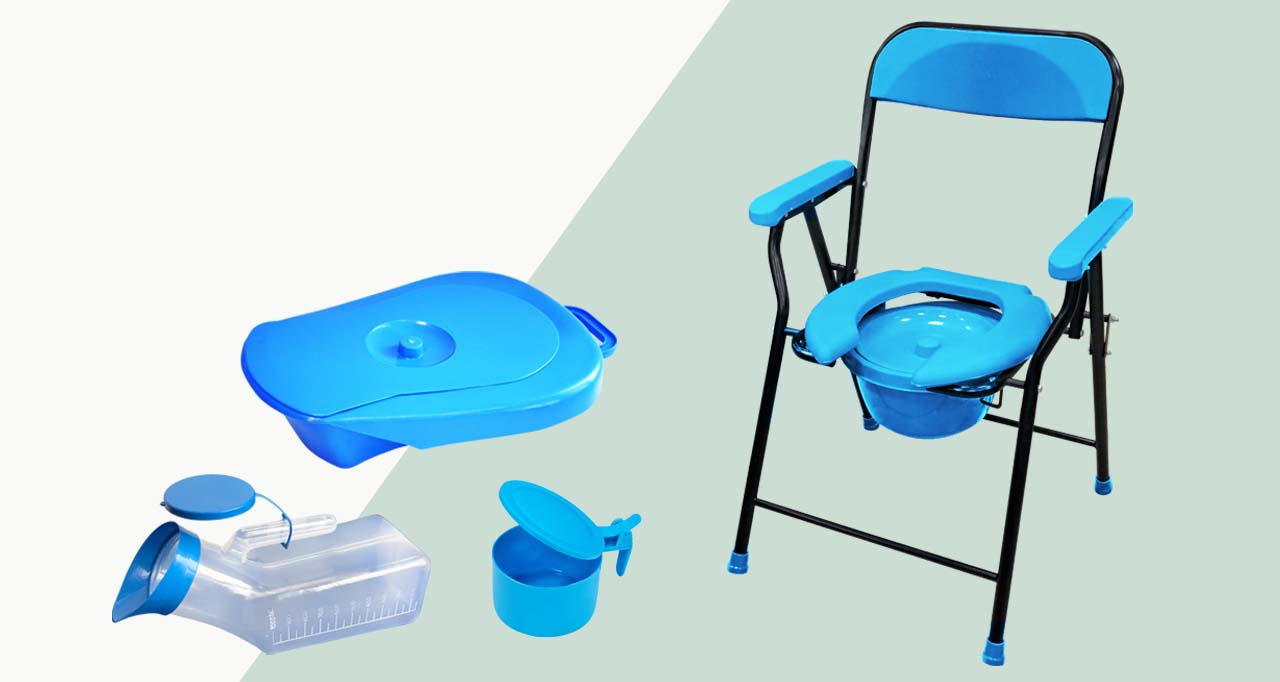
In the healthcare sector, hospital equipment plays a pivotal role in ensuring patient comfort, safety, and dignity. Among the many essential items, the hospital commode chair has emerged as an indispensable tool, particularly for patients with mobility challenges, elderly individuals, and those recovering from surgery or illness. A commode chair is designed to provide convenience and independence to patients who find it difficult to access the bathroom. Along with accessories such as the urinal pot male and female, bed pan, and spit mug, the commode chair contributes to a complete caregiving environment that prioritizes hygiene, comfort, and patient well-being.
What is a Hospital Commode Chair?
A hospital commode chair is a specially designed chair equipped with a built-in toilet facility. It allows patients to relieve themselves without needing to walk to a bathroom, which is often difficult or unsafe due to limited mobility, weakness, or injury. The chair usually comes with a removable bucket or container for easy cleaning and is made with durable, hygienic materials such as stainless steel or medical-grade plastic.
Some commode chairs are foldable, portable, or height-adjustable, while others are fixed with wheels to make patient transfers easier. Many models also feature padded seats, armrests, and backrests to provide additional comfort.
Importance of a Hospital Commode Chair
Patient Independence: For patients with mobility challenges, being able to use a commode chair gives them a sense of independence and dignity.
Convenience for Caregivers: Nurses and caregivers benefit from reduced physical strain as they can help patients without constantly moving them to and from the bathroom.
Safety: The risk of falls, which is high when patients attempt to walk to the bathroom unaided, is greatly reduced.
Hygiene: Designed with smooth, easy-to-clean surfaces, commode chairs promote cleanliness and minimize infection risks.
Features of a Good Hospital Commode Chair
Strong Frame: Most chairs are made from stainless steel or powder-coated metal for durability.
Portability: Wheels allow easy movement within patient rooms or hospital wards.
Adjustable Height: Ensures patients of all sizes can use it comfortably.
Detachable Pan or Bucket: Allows quick cleaning and waste disposal.
Comfort Elements: Cushioned seats and armrests enhance the patient experience.
Commode Chair and Its Associated Accessories
While the commode chair itself is vital, other related hospital equipment also supports patient care. These include:
Urinal Pot Male and Female
A urinal pot is another essential tool for bedridden patients who cannot use a commode chair or bathroom.
- Male urinal pot: Typically has a long spout and is ergonomically designed for ease of use while lying down.
- Female urinal pot: Wider and differently shaped to suit female anatomy, ensuring comfort and preventing spillage.
These urinal pots are lightweight, made from plastic or stainless steel, and easy to sterilize, making them indispensable in hospitals, nursing homes, and even for home care.
Bed Pan
The bed pan is one of the oldest yet most essential hospital accessories. It allows patients who are completely bedridden to pass urine or stool without leaving their bed. Available in stainless steel, plastic, and fracture models, bed pans are designed to minimize discomfort. Fracture pans, in particular, are slimmer and easier to slide under patients with limited movement.
Spit Mug
A spit mug is a small but crucial piece of hospital equipment used by patients unable to swallow properly or those who need to expel phlegm, blood, or other fluids due to illness or surgery. It is typically made from stainless steel or plastic, with a handle for easy grip. Hospitals often keep spit mugs at the bedside of patients undergoing treatments like chemotherapy or post-surgical recovery.
Role of Hospital Commode Chair in Patient Recovery
Patients recovering from major surgeries, fractures, or chronic illnesses often face physical limitations. A hospital commode chair ensures that these limitations do not compromise their basic needs. For instance:
- Post-surgical care: Patients recovering from orthopedic or abdominal surgery often cannot walk. The commode chair reduces strain on their body.
- Elderly care: Aging patients with weak muscles or arthritis benefit immensely from using commode chairs.
- Long-term illnesses: Patients suffering from paralysis, stroke, or neurological conditions find it extremely useful for daily living.
By combining a commode chair with tools like a urinal pot male and female, bed pan, and spit mug, hospitals can create a comprehensive patient care system that prioritizes both hygiene and dignity.
Types of Hospital Commode Chairs
- Static Commode Chair: Fixed in one place, usually with a removable bucket.
- Folding Commode Chair: Portable and foldable for easy storage.
- Wheeled Commode Chair: Equipped with castor wheels, enabling easy movement within a hospital or home.
- Shower Commode Chair: Designed for dual use in bathrooms and showers, often with waterproof materials.
- Electric or Reclining Commode Chair: Advanced models with adjustable reclining positions, especially for critical care patients.
Benefits of Using a Hospital Commode Chair
- Improved Hygiene: Keeps patients clean and prevents bedsores or infections.
- Reduced Stress: Patients don’t need to struggle to reach the washroom.
- Time-Saving for Caregivers: Less manual lifting and repositioning.
- Portable Solution: Can be placed beside the patient’s bed, ensuring accessibility at all times.
Integration with Other Hospital Equipment
A commode chair is rarely used in isolation. It is part of a larger system of hospital equipment designed to ensure patient comfort. For example:
- A urinal pot male and female serves as an alternative when patients cannot sit on the chair.
- A bed pan is used in conjunction with a commode chair for bedridden patients.
- A spit mug complements the care routine by ensuring cleanliness during recovery.
Together, these items create a holistic patient care environment that minimizes infection, ensures dignity, and supports faster recovery.
Choosing the Right Commode Chair
When selecting a commode chair for hospital or home use, consider the following:
- Patient Condition: A wheeled commode may be ideal for patients who need frequent transfers.
- Durability: Stainless steel models last longer and are more hygienic.
- Cleaning Ease: Removable buckets and smooth surfaces are easier to disinfect.
- Comfort: Cushioned seats and ergonomic design improve patient satisfaction.
Conclusion
The hospital commode chair is far more than just a convenience; it is an essential piece of hospital equipment that supports patients in maintaining hygiene, dignity, and comfort. When paired with other vital accessories such as the urinal pot male and female, bed pan, and spit mug, it forms a complete care solution for patients with mobility restrictions, chronic illnesses, or post-surgical recovery needs.
By reducing the physical strain on caregivers and ensuring patient safety, the commode chair represents a perfect balance of practicality and compassion in modern healthcare. Whether in hospitals, nursing homes, or home care settings, the commode chair stands as a symbol of support, care, and dignity for patients worldwide.