
 +91 83682 81897
Medical disposables are indispensable in modern healthcare, ensuring patient safety, infection prevention, and efficient clinical procedures. Designed for single-use applications, these products help minimise the risk of cross-contamination while improving operational efficiency in hospitals, clinics, diagnostic centres, ambulances, and home healthcare settings. Manufactured using medical-grade materials under stringent quality standards, medical disposables provide reliability, sterility, and convenience across a wide range of medical procedures.
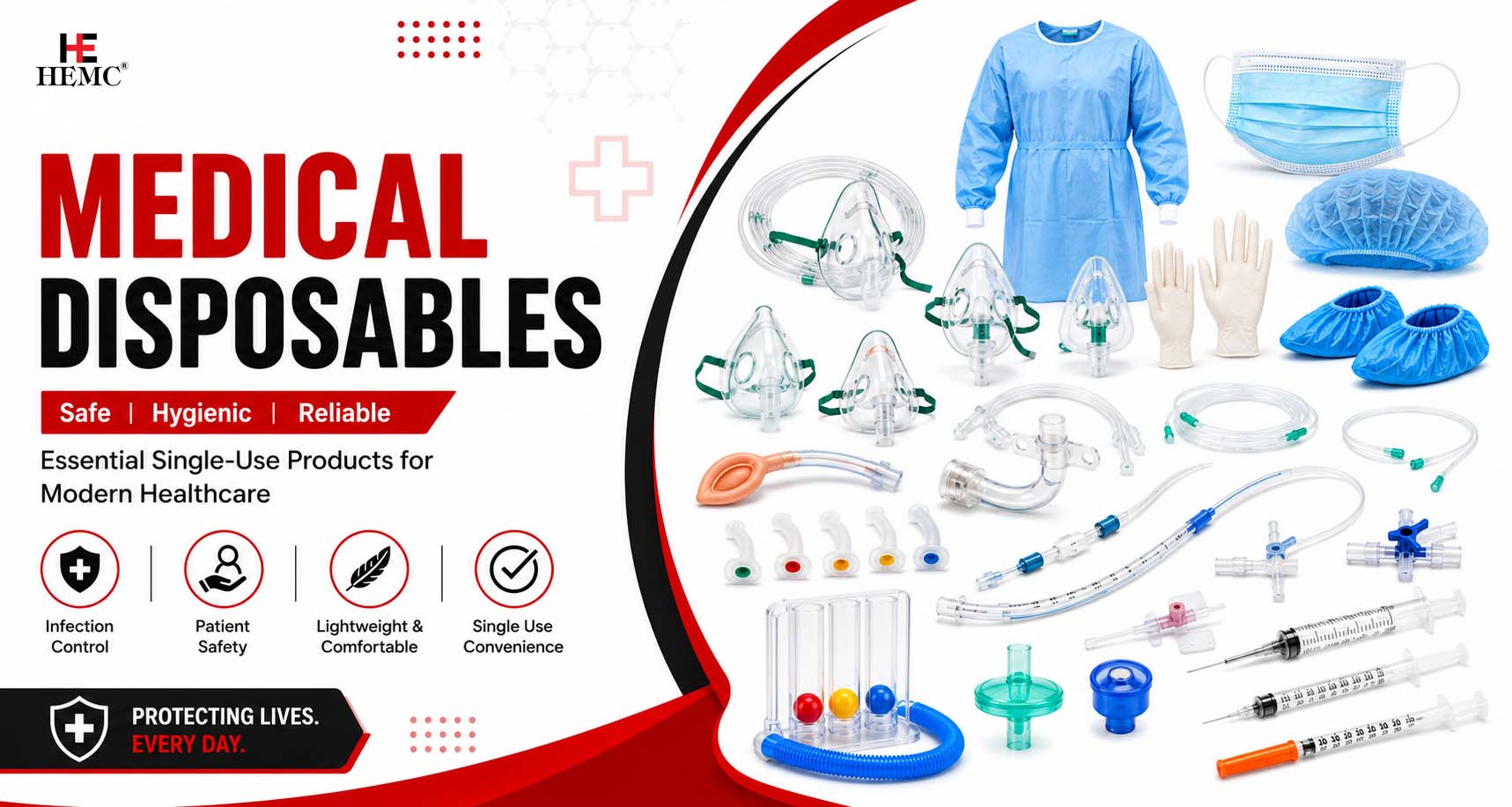
From personal protective equipment (PPE) to respiratory care products, airway management devices, intravenous accessories, and urinary catheters, medical disposables support healthcare professionals in delivering safe and effective patient care. This article explores the importance, benefits, applications, and commonly used medical disposable products in today’s healthcare industry.
What are Medical Disposables?
Medical disposables are sterile or non-sterile products intended for one-time use during medical examinations, surgical procedures, patient care, diagnostics, and emergency treatments. These products are manufactured from medical-grade plastics, non-woven fabrics, silicone, latex, PVC, and other biocompatible materials to ensure patient safety and compliance with healthcare regulations.
The use of disposable medical products has become increasingly important due to growing awareness of infection control, hospital-acquired infections (HAIs), and the need for improved hygiene standards.
Importance of Medical Disposables in Healthcare
Medical disposables contribute significantly to patient safety by reducing the transmission of infectious diseases between patients and healthcare workers. Their single-use nature eliminates the need for repeated cleaning and sterilisation, saving valuable time and resources while maintaining high hygiene standards.
Healthcare facilities rely on medical disposables to:
- Prevent hospital-acquired infections (HAIs)
- Improve patient safety
- Ensure sterile clinical procedures
- Reduce cross-contamination
- Save sterilisation costs
- Improve workflow efficiency
- Provide reliable and hygienic patient care
- Support emergency medical services
- Enhance surgical safety
- Meet international infection control guidelines
Advantages of Medical Disposables
Superior Infection Control
Single-use medical products significantly reduce the risk of transmitting bacteria, viruses, and other pathogens between patients and healthcare professionals.
Time-Saving
Since these products do not require cleaning or sterilisation after use, healthcare providers can focus more on patient care and less on equipment maintenance.
Cost-Effective
Although intended for one-time use, medical disposables reduce costs associated with sterilisation equipment, labour, water, electricity, and maintenance.
Consistent Quality
Every disposable product is manufactured under controlled conditions to ensure consistent quality, reliability, and performance.
Easy Availability
Medical disposables are available in various sizes and specifications to suit different medical specialties and patient requirements.
Personal Protective Equipment (PPE)
Personal protective equipment forms the first line of defence against infections in healthcare environments.
Non-Woven Face Masks
Non-Woven Face Masks are widely used by doctors, nurses, patients, laboratory technicians, and visitors to reduce the spread of airborne microorganisms and respiratory droplets. Their breathable, lightweight design provides comfort while ensuring effective filtration.
Benefits
- Comfortable to wear
- Excellent breathability
- High filtration efficiency
- Disposable and hygienic
- Suitable for hospitals and clinics
Non-Woven Surgeon Gown
The Non-Woven Surgeon Gown provides a protective barrier against blood, bodily fluids, and microorganisms during surgical procedures. These gowns are manufactured from high-quality non-woven fabrics to ensure comfort and protection.
Applications
- Operation theatres
- Intensive Care Units
- Emergency departments
- Surgical centres
- Dental clinics
Non-Woven Disposable Caps
Non-Woven Disposable Caps prevent hair contamination during surgeries, laboratory work, pharmaceutical manufacturing, and food processing.
Advantages
- Lightweight
- Breathable
- Comfortable fit
- Latex-free
- Hygienic
Shoe Covers Polyethylene
Shoe Covers Polyethylene help maintain clean environments by preventing dirt and contaminants from entering sterile areas such as operation theatres and intensive care units.
Respiratory Care Products
Respiratory disposables play a critical role in oxygen therapy and airway management.
Oxygen Mask with Tube
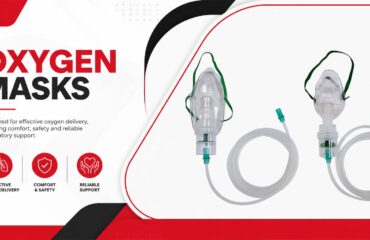
The Oxygen Mask with Tube delivers supplemental oxygen to patients experiencing breathing difficulties, respiratory distress, or low oxygen saturation.
Commonly used in:
- Hospitals
- Ambulances
- Emergency rooms
- Home oxygen therapy
Nebulizer Mask
A Nebulizer Mask is designed to deliver aerosolised medications directly into the lungs for treating asthma, COPD, and other respiratory disorders.
Benefits
- Efficient drug delivery
- Comfortable fit
- Suitable for adults and children
- Easy to use
Venturi Mask
The Venturi Mask provides precise oxygen concentrations, making it ideal for patients who require controlled oxygen therapy.
It is commonly used in critical care, pulmonary medicine, and emergency departments.
High Concentration Mask
The High Concentration Mask, also known as a non-rebreather mask, delivers high levels of oxygen during medical emergencies.
Applications include:
- Trauma care
- Cardiac emergencies
- Respiratory failure
- Intensive care
Nasal Oxygen Cannula
The Nasal Oxygen Cannula offers comfortable, low-flow oxygen therapy for patients requiring continuous oxygen support while allowing them to eat, drink, and communicate with ease.
Airway Management Devices
Maintaining a clear airway is critical during anaesthesia, emergency medicine, and intensive care.
Silicon Laryngeal Mask Airway
- The Silicon Laryngeal Mask Airway provides a secure airway without the need for endotracheal intubation in many anaesthetic procedures.
Advantages
- Soft medical-grade silicone
- Easy insertion
- Patient comfort
- Reliable airway management
Tracheostomy Tube
- A Tracheostomy Tube is inserted into the trachea to establish a secure airway for patients requiring long-term ventilation or airway obstruction management.
Nasopharyngeal Airways
- Nasopharyngeal Airways maintain airway patency in conscious or semi-conscious patients by preventing airway obstruction.
Endotracheal Tubes
- Endotracheal Tubes are essential during general anaesthesia, emergency resuscitation, and mechanical ventilation.
- These tubes ensure controlled ventilation and airway protection.
Guedel Airways
- Guedel Airways, also known as oropharyngeal airways, prevent tongue obstruction in unconscious patients and facilitate effective ventilation.
Catheter Mount
The Catheter Mount connects airway devices with breathing circuits while reducing tension on the endotracheal tube during ventilation.
Anaesthesia and Breathing Accessories
HME Filters
HME Filters (Heat and Moisture Exchange Filters) conserve heat and moisture while filtering bacteria and viruses during mechanical ventilation.
Benefits include:
- Improved humidification
- Enhanced infection control
- Reduced airway dryness
- Better patient comfort
Bain Circuit Paediatric
The Bain Circuit Paediatric is specifically designed for paediatric anaesthesia, providing efficient gas delivery with minimal resistance and dead space.
Urinary Care Products
Foley’s Balloon Catheter Latex
The Foley’s Balloon Catheter Latex is widely used for urinary drainage in surgical, medical, and long-term care patients.
Features
- Sterile packaging
- Soft latex construction
- Balloon retention system
- Smooth drainage
- Various sizes available
Vascular Access Devices
Reliable vascular access is essential for medication administration and fluid therapy.
lumen central venous catheter
The Lumen Central Venous Catheter is used for administering medications, intravenous fluids, nutrition, and haemodynamic monitoring in critically ill patients.
I.V. Cannula with wings & injection port
The i.v. Cannula with wings & injection port provides safe and convenient intravenous access for fluid administration, blood transfusions, and medication delivery.
Advantages
- Easy insertion
- Secure fixation
- Additional injection port
- Reduced needle-stick injuries
3-Way Stopcock
The 3-WAY STOPCOCK enables controlled administration of multiple intravenous medications through a single vascular access point.
Healthcare professionals use it for:
- Fluid management
- Drug administration
- Pressure monitoring
- Infusion therapy
Injection Devices
Insulin Syringe
The INSULIN SYRINGE is specially calibrated for accurate insulin dosing in diabetic patients. It features a fine needle for reduced discomfort and precise medication administration.
Respiratory Rehabilitation
Lung Exerciser Tri Ball
the lung exerciser tri ball is an incentive spirometer designed to improve lung function following surgery or prolonged illness.
Benefits
- Enhances lung expansion
- Prevents pulmonary complications
- Improves respiratory strength
- Easy patient monitoring
Materials Used in Medical Disposables
Medical disposables are manufactured using carefully selected materials that ensure safety, flexibility, durability, and biocompatibility.
Common materials include:
- Medical-grade PVC
- Silicone
- Polypropylene (PP)
- Polyethylene (PE)
- Latex
- Polycarbonate
- Non-woven fabrics
- Stainless steel components (where required)
Each material is chosen based on the intended clinical application and regulatory requirements.
Applications of Medical Disposables
Medical disposables are extensively used across numerous healthcare settings, including:
- Hospitals
- Multi-speciality clinics
- Diagnostic laboratories
- Intensive Care Units (ICUs)
- Emergency departments
- Operation theatres
- Ambulatory surgical centres
- Nursing homes
- Ambulance services
- Home healthcare
- Rehabilitation centres
- Dental clinics
- Veterinary hospitals
Their broad range of applications makes them an integral part of modern healthcare systems.
Quality Standards for Medical Disposables
Leading manufacturers produce medical disposables in compliance with internationally recognised quality systems and regulatory standards. Products are often manufactured in cleanroom environments and undergo rigorous quality checks to ensure sterility, safety, and consistent performance.
Healthcare providers should source products from reputable manufacturers that adhere to recognised quality certifications and applicable regulatory requirements.
Choosing the Right Medical Disposables
When selecting medical disposables, healthcare facilities should consider:
- Product quality
- Sterility
- Material compatibility
- Patient comfort
- Ease of use
- Regulatory compliance
- Shelf life
- Packaging integrity
- Manufacturer reputation
- Clinical application
Proper product selection improves patient outcomes while supporting efficient healthcare delivery.
Future of Medical Disposables
The demand for high-quality medical disposables continues to grow due to increasing healthcare awareness, expanding hospital infrastructure, and advancements in medical technology. Manufacturers are investing in innovative materials, eco-friendly manufacturing processes, improved ergonomics, and enhanced infection control features.
As healthcare evolves, disposable medical products will remain essential for ensuring patient safety, reducing healthcare-associated infections, and supporting effective clinical practice worldwide.
Conclusion
Medical disposables have transformed modern healthcare by providing safe, hygienic, and efficient solutions for patient care, infection control, surgery, anaesthesia, respiratory therapy, vascular access, and urinary management. Products such as non-woven face masks, non-woven surgeon gown, non-woven disposable caps, shoe covers polyethylene, and insulin syringe play a crucial role in delivering reliable and high-quality healthcare.
By choosing premium-quality medical disposables, healthcare organisations can improve clinical efficiency, enhance patient safety, maintain stringent infection control standards, and support better treatment outcomes across every level of medical care.